

 Français
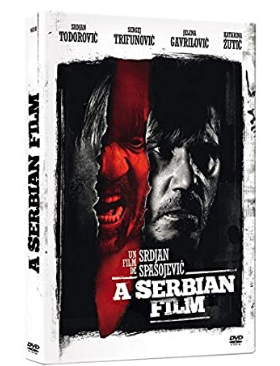
A Serbian Film
Synopsis
This notorious and deeply controversial psychological horror film follows a retired adult film star who accepts a lucrative one-off job from a mysterious director to secure his family's financial future. As he is drawn into filming an increasingly bizarre and violent art-house project, he discovers he has become the unwitting participant in a sadistic snuff film. Trapped in a nightmarish descent of torture and degradation, he tries desperately to escape while confronting horrific atrocities. It is an extreme, highly polarizing work of transgressive cinema designed to shock and provoke.
The Making of the Film
The project originated from director Srdjan Spasojevic's desire to create a politically charged allegory about the psychological trauma, exploitation, and helplessness inflicted upon Serbian citizens by their government during the Balkan conflicts. Filmmakers sought to use extreme, taboo-breaking imagery as a dark metaphor for state oppression and societal abuse. Inspiration was drawn from classic horror traditions, political satire, and underground transgressive art. The creative team aimed to produce a visceral shock-piece that directly confronted audiences with the horrors of exploitation.
Critical Reception
Critics offered overwhelmingly revulsed and condemnatory reviews, making it one of the most controversial and heavily censored films in modern cinema history. Reviewers noted that while the technical production values and performances were competent, the relentless escalation of extreme violence and taboo violations overshadowed any artistic message. Many international film festivals banned the movie outright due to its severe depictions of sexual violence and gore. Conversely, a small fringe of extreme horror critics defended it as a legitimate, albeit deeply unpleasant, political allegory on state tyranny.
Audience reception was deeply fractured, sparking intense global debates regarding censorship, artistic freedom, and the boundaries of extreme cinema. Viewers on public forums frequently expressed horror, disgust, and outrage over its boundary-pushing narrative turns. While extreme horror enthusiasts debated its metaphorical value, general audiences largely avoided the title due to its harrowing reputation. It cemented a notorious underground status as a legendary taboo object in horror film history.
Awards season brought no mainstream recognition, though the film received underground acclaim at niche extreme horror festivals for its uncompromising technical audacity and makeup effects. Special effects guilds acknowledged the sheer skill required to pull off its elaborate practical gore sequences under severe budget constraints. However, its primary legacy remains rooted in censorship battles and fierce academic debates surrounding transgressive art. These discussions ensured its permanent, infamous place in cinematic lore.
Behind-the-Scenes Stories
The director drew aesthetic inspiration from dark political satires, classical tragedy, and gritty European art-house thrillers to establish its unsettling tone. Every interior set was designed to feel sterile, oppressive, and inescapable, mirroring the protagonist's total lack of agency. The production team collaborated closely with special effects artists to craft hyper-realistic practical gore and prosthetic wounds. These artistic choices were intentionally designed to push the boundaries of visual representation in horror cinema.
Production presented immense psychological and logistical hurdles, requiring the cast and crew to endure grueling night shoots involving deeply disturbing subject matter. The lead actors engaged in extensive safety briefings and psychological debriefings to manage the emotional weight of their intense roles. Shooting in restricted underground locations across Belgrade added authentic grit but demanded rigorous schedule management. Furthermore, navigating anticipated international censorship controversies required careful legal preparation from the producers.
During the filming of the most grueling sequences, the director utilized supportive, highly professional on-set protocols to ensure the safety and mental well-being of all performers. To maintain authenticity without crossing physical lines, actors relied on theatrical illusion and clever camera angles during extreme scenes. The crew utilized stark, high-contrast lighting to accentuate the nightmarish atmosphere of the studio. This meticulous preparation helped the cast deliver committed performances despite the dark material.
Casting focused on securing courageous, highly respected Serbian actors willing to risk professional backlash to participate in a controversial political statement. The lead star was chosen for his immense dramatic gravitas and ability to anchor absurd horror in genuine familial love. Supporting actors brought chilling intensity to the roles of the corrupt filmmakers. This fearless casting process was vital for giving the allegorical nightmare any emotional grounding.
Themes Explored
The narrative deeply explores dark political allegories regarding systemic exploitation, corruption, and the helplessness of citizens under totalitarian regimes. It examines the corrupting nature of absolute power, trauma transmission, and the destruction of the family unit. Additionally, it touches upon censorship, artistic freedom, and societal voyeurism. Ultimately, the film reflects on despair, entrapment, and the darkest recesses of human cruelty.
Ending Explained
The bleak climax reveals that the protagonist and his entire family have been systematically murdered and manipulated into participating in the atrocities without escape. In the final horrific sequence, the surviving villains stand over the bodies, symbolizing the total, inescapable triumph of systemic corruption and abuse over innocence. This nihilistic conclusion leaves no room for redemption or survival.
Meaning of the Title
The title is a provocative national descriptor meant to position the film as a dark, satirical mirror reflecting the trauma of modern Serbian history.
Similar Films
Films sharing extreme transgressive and shocking horror themes include Salò, or the 120 Days of Sodom (1975), A Serbian Film equivalents like August Underground (2001), and Martyrs (2008).