

 Français
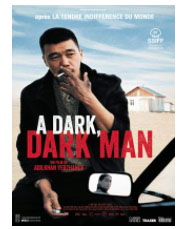
A Dark, Dark Man
Synopsis
A Dark, Dark Man follows Bekzat, a corrupt young detective in a remote rural district of Kazakhstan who investigates the brutal murder of a young boy. Pressured by superiors to quickly pin the crime on an innocent local scapegoat to close the case, Bekzat complies without hesitation. However, his cynical routine is disrupted when a sharp, determined journalist named Ariana arrives to uncover the real truth. Forced to re-evaluate his complicity, Bekzat forms an uneasy alliance with the journalist to hunt down the actual killer across the desolate, windswept steppe.
The Making of the Film
Written and directed by acclaimed Kazakh filmmaker Adilkhan Yerzhanov, the film was conceived as a bleak, atmospheric neo-noir crime thriller examining systemic corruption, moral decay, and justice in rural Kazakhstan. The inspiration stemmed from classic American noir cinema combined with the stark, poetic isolation of the Central Asian steppe. The production utilized sweeping landscape framing and muted color palettes to evoke a profound sense of existential dread.
Critical Reception
Critics universally praised A Dark, Dark Man for its stunning cinematography, bleak neo-noir atmosphere, and biting satirical critique of institutional corruption. Reviewers highlighted Yerzhanov's masterful direction, which combined deadpan dark comedy with harrowing crime drama. The haunting visual style received widespread critical acclaim.
Audiences interested in international arthouse crime cinema embraced the film for its striking aesthetic, moral complexity, and unique cultural lens. Viewers found its slow-burn tension mesmerizing.
The film earned prestigious recognition at international film festivals, including official selections at San Sebastián and other global film showcases.
Behind-the-Scenes Stories
Adilkhan Yerzhanov drew inspiration from classic American film noir, existential philosophy, and the stark isolation of the Kazakh countryside.
Shooting across remote steppe locations during harsh weather conditions required meticulous logistical planning and minimalist camera setups.
During the filming of the desert crime scene, the crew utilized natural overcast lighting to enhance the bleak, atmospheric tone.
Casting discussions focused on securing actors who could convey weary cynicism paired with sudden moral awakening.
Themes Explored
The film explores systemic corruption, moral redemption, bureaucratic indifference, justice, and human isolation on the vast steppe.
Ending Explained
The haunting conclusion shows the detective choosing a path of harsh moral accountability, confronting the corrupt system at great personal cost.
Meaning of the Title
Reference to the moral darkness inhabiting the protagonist's soul and the shadowy nature of justice in a corrupt society.
Similar films include The Yellow Sea, Memories of Murder, Wind River, and Bad Lieutenant.