

 Français
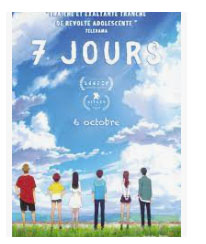
7 Days War
Synopsis
Set during a sweltering summer in a quiet Japanese suburb, a group of rebellious high school students fed up with overbearing parents, municipal redevelopment plans, and stifling school rules decide to stage a defiant protest. Occupying an abandoned, dilapidated coal-mining factory by the river, the teenagers declare themselves an independent autonomous zone and prepare for a week-long standoff against local authorities and bullying adults. However, their peaceful rebellion takes an unexpected turn when they discover a terrified illegal immigrant child hiding inside the factory, forcing the kids to protect their vulnerable guest while outsmarting the police. The animated adventure film delivers youthful defiance and touching social awakening.
The Making of the Film
Director Yuta Murano adapted the animated feature from Osamu Soda's best-selling 1985 classic youth novel Bokura no Nanokakan Sensou, modernizing the story for contemporary audiences by incorporating modern smartphones, social media, and current social issues. The inspiration stemmed from celebrating adolescent agency and the timeless tradition of youthful rebellion against corrupt adult authority. The production team at Ajia-do Animation Works invested heavily in vibrant digital animation and atmospheric summer lighting. The script was structured to blend lighthearted teen comedy with high-stakes social drama.
Critical Reception
Professional critics and anime enthusiast communities gave generally positive reviews, praising the film's charming modern adaptation, engaging youthful cast dynamics, and relevant social commentary regarding immigration and community solidarity. Reviewers noted that Murano successfully updated a beloved 1980s literary classic into a fast-paced, entertaining animated adventure. Public reception was warmly enthusiastic in Japan and international streaming platforms, turning it into a beloved modern anime feature. The series earned enduring appreciation among fans of coming-of-age animation.
Behind-the-Scenes Stories
Director Yuta Murano drew visual inspiration from classical Japanese coming-of-age anime, summer rural scenery, and Osamu Soda's original novel illustrations. Production involved meticulous digital animation techniques at Ajia-do Animation Works studios in Tokyo. During the voice recording sessions, the young voice cast maintained vibrant, energetic performances to capture authentic teenage camaraderie and urgency. The production team collaborated closely with surviving literary estate members.
Themes Explored
The themes explored include adolescent rebellion, adult hypocrisy, friendship, community solidarity, protecting the vulnerable, and coming-of-age.
Ending Explained Ending Explained The thrilling climax sees the teenagers successfully outsmarting the corrupt mayor and police chief through clever social media broadcasting, securing safety for the immigrant child and asserting their independence.
Meaning of the Title Meaning of the Title The title refers directly to the seven-day standoff and rebellion staged by the students inside the abandoned factory.
Similar Films Akira, The Girl Who Leapt Through Time, Mirai