

 Français
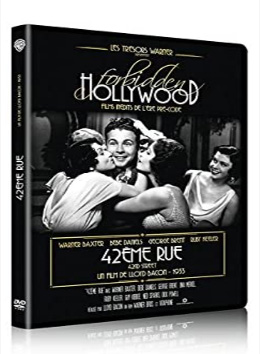
42nd Street
Synopsis
Set against the backdrop of the Great Depression, this classic backstage musical follows a desperate Broadway crew as they mount a lavish new show titled Pretty Lady. When the leading lady breaks her ankle just hours before opening night, a talented young unknown chorus girl is thrust into the spotlight. Under intense pressure from the demanding director, the young star rises to the occasion to save the production from financial ruin. The resulting performance captures the triumphant spirit of show business and transforms everyone involved.
The Making of the Film
The film is based on the 1932 novel of the same name written by Bradford Ropes, which offered a gritty and realistic look at the Broadway theater world. Warner Bros. purchased the rights hoping to revitalize the struggling musical genre during the depths of the economic depression. Director Lloyd Bacon focused heavily on fast-paced pacing, snappy dialogue, and realistic working-class ambitions behind the scenes. Legendary choreographer Busby Berkeley was brought on board to revolutionize musical numbers with breathtaking, kaleidoscopic overhead camera angles.
Critical Reception
Upon its release, 42nd Street became a massive commercial sensation and critical triumph, single-handedly reviving the movie musical genre for Hollywood. Critics praised its fresh, cynical humor, snappy pacing, and the dazzling, unprecedented scale of its musical numbers. Reviewers highlighted the sharp performances of an ensemble cast featuring Warner Baxter, Bebe Daniels, and newcomer Ruby Keeler. Audiences flocked to theaters seeking escapism and uplifting entertainment during bleak economic times. Viewers worldwide celebrated its vibrant energy, catchy songs, and the timeless Hollywood backstage rags-to-riches narrative template. The film earned an Academy Award nomination for Best Picture and established Busby Berkeley as an immortal master of cinematic choreography.
Behind-the-Scenes Stories
Lloyd Bacon drew deep inspiration from actual Broadway casting trials and the frantic pressure cooker environment of live theatrical production. Production faced severe budget constraints, forcing the studio to maximize creative camera angles and reuse set pieces inventively. Busby Berkeley designed a legendary overhead shot for the title number utilizing massive geometric patterns of chorus girls that stunned audiences. The initial casting for the director role considered several top studio contract actors before Warner Baxter secured the part.
Themes Explored
The film explores the resilience of the human spirit during economic hardship, collective solidarity, and the relentless drive to succeed against all odds. It contrasts the glittering illusion of stage glamour with the gritty, exhausting physical labor required behind the curtain.
Meaning of the Title
The title '42nd Street' refers directly to the famous New York City thoroughfare that served as the beating heart of Broadway theater and entertainment.
Similar Films
'Gold Diggers of 1933', 'Footlight Parade', and 'Singin' in the Rain' share similar backstage musical energy, dazzling choreography, and theatrical ambition.