

 Français
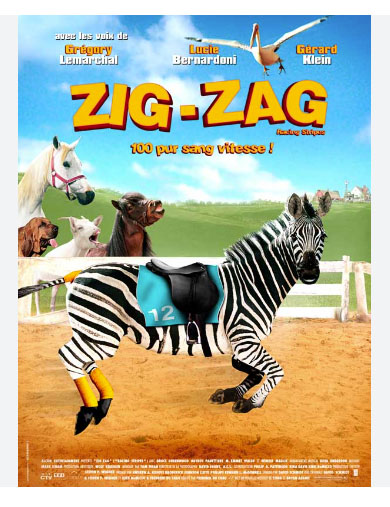
Zig Zag
Synopsis
Dean Singer is a brilliant, autistic teenager trapped in a difficult home life who works as a busboy at a diner alongside an older, protective ex-con mentor named Marcus. When Dean accidentally stumbles upon a major corporate embezzlement scheme and steals money from his corrupt boss to help his friends, he finds himself hunted by dangerous criminals. Marcus steps in to protect the vulnerable teenager across a tense urban manhunt. The film delivers an emotional indie crime drama.
The Making of the Film
Director David F. Schmidt helmed this independent crime drama, adapting the indie novel to explore neurodivergence, mentorship, and street-level crime. The production was designed to blend tender character drama with gritty thriller elements. Filmmakers utilized authentic urban locations to capture a gritty city atmosphere. The project was built to be a heartfelt indie showcase.
Critical Reception
Critics offered mixed reviews, praising Wesley Snipes and young actor Sam Jones III for their touching chemistry and grounded performances while noting familiar indie crime-thriller tropes. Reviewers commended the film's compassionate portrayal of an autistic teenager navigating a dangerous criminal underworld. Some critics felt the script relied on standard crime clichés, yet acknowledged its earnest emotional heart. It emerged as a minor indie release.
Audiences who enjoy character-driven indie crime dramas appreciated the emotional bond between the ex-con mentor and the autistic teenager. Viewers found the protection arc touching and suspenseful. The film found a modest niche among fans of Wesley Snipes's dramatic work. Many praised it as a sweet, hidden indie watch.
While mainstream film academies bypassed the indie feature, it earned warm appreciation within independent film circles and streaming platforms. The lead actors earned quiet praise for their dramatic work. The project successfully achieved its goal of providing character-driven entertainment.
Behind-the-Scenes Stories
Director David F. Schmidt wanted to ensure the portrayal of autism was handled with sensitivity, working closely with neurodivergence consultants during script development. He cast Wesley Snipes to bring protective warmth and physical gravity to the ex-con mentor role. The production team prioritized authentic urban diner locations.
Shooting across urban neighborhoods required careful street coordination and indie budget planning. Managing emotional dialogue scenes between the lead actors demanded rigorous rehearsal. Maintaining a gritty visual palette required careful cinematography.
During the tense diner and rooftop sequences, Wesley Snipes performed with quiet emotional depth, anchoring the indie thriller in human empathy. Sam Jones III brought vulnerability to his autistic character. These practical efforts brought warmth to the screen.
Wesley Snipes and Sam Jones III led the cast as Marcus and Dean, supported by Luke Goss, John Leguizamo, and Sharon Stone. The casting process gathered talented actors. The resulting ensemble delivered touching dramatic chemistry.
Themes Explored
The film explores neurodivergence, unlikely mentorship, criminal underworld exploitation, redemption, and protection of the vulnerable. It examines how loyalty can bridge different worlds. The narrative ultimately champions friendship and protection.
Ending Explained
Marcus successfully outsmarts the corrupt criminals, protects Dean from harm, and ensures the stolen money is returned to the rightful authorities while securing a safe future for the teenager. Marcus faces his own legal reckoning with quiet dignity, knowing his young friend is safe. The ending offers a bittersweet, emotional indie resolution.
Meaning of the Title
The title "Zig Zag" reflects the unpredictable, erratic twists and turns of the criminal plot and the unique perspective of the autistic protagonist navigating danger. It symbolizes life's unpredictable path. The catchy title sets an indie-drama tone.
Latest News
- The film remains a minor indie curio cherished for Wesley Snipes's sensitive dramatic performance.
Similar Films
Fans of indie crime dramas and mentorship stories will enjoy A Perfect World (1993), Rain Man (1988), Leon: The Professional (1994), and Finding Forrester (2000), all exploring bonds.