

 Français
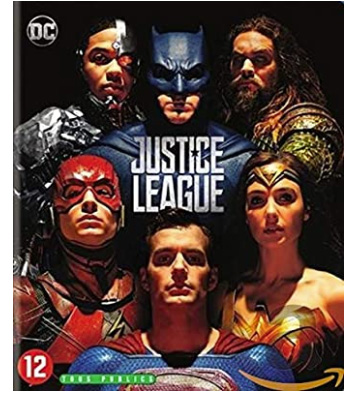
Zack Snyder's Justice League
Synopsis
In the wake of Superman's selfless sacrifice, Bruce Wayne and Diana Prince assemble a coalition of metahumans—including Barry Allen, Arthur Curry, and Victor Stone—to protect Earth from an impending catastrophic invasion by Steppenwolf and his alien parademon armies. Tasked by the tyrannical cosmic conqueror Darkseid, the alien threat seeks to unite three ancient Mother Boxes to terraform the planet into a wasteland. Battling internal trauma and overwhelming odds, the united heroes must unlock their true potential in an epic cosmic struggle. This expanded director's cut restores Zack Snyder's original dark, mythic vision for the DC superhero epic.
The Making of the Film
Following personal tragedy and studio interference during the troubled 2017 theatrical release of 'Justice League', director Zack Snyder stepped away from the project, leaving Joss Whedon to finish a heavily altered version. For years, an intense fan-driven movement campaigned under the banner #ReleaseTheSnyderCut demanding Warner Bros. restore Snyder's original four-hour artistic vision. In 2020, HBO Max greenlit the completion of the project, providing Snyder with millions in finishing funds for visual effects, score, and additional dialogue photography. The resulting epic restored the director's intended tone, character arcs, and mythological scope.
Critical Reception and Reviews
Professional Critic Reviews
Critics offered generally favorable reviews, noting that the four-hour cut was a massive improvement over the 2017 theatrical version, praising its cohesive mythology, striking visual style, and deeper character arcs. Reviewers highlighted Ray Fisher's emotional anchor as Cyborg and the grand, operatic scope of the action sequences. Some critics felt the extended runtime and heavy-handed foreshadowing were exhausting. Overall, it was regarded as a monumental vindication for a visionary director and a triumph of fan mobilization.
Public Reception
Fan communities and comic book enthusiasts responded with ecstatic celebration, breaking streaming engagement records on HBO Max worldwide. Viewers praised the emotional gravity, stunning Junkie XL musical score, and the expansive world-building that finally did justice to DC's premier superhero team. It became a historic milestone in contemporary cinema culture.
Awards and Honors
'Zack Snyder's Justice League' won the inaugural 'Cheer-Worthy Moment' fan-voted award at the Academy Awards, celebrating its massive cultural impact. The film earned widespread recognition across global streaming platforms and VFX guilds for its astonishing technical achievement in restoring and completing a massive studio epic.
Filming Anecdotes
Director's Inspirations
Zack Snyder drew heavy inspiration from classic Arthurian legends, Greek mythology, and Jack Kirby's Fourth World cosmic comic book lore. He wanted the superhero team-up to feel like a modern pantheon of gods clashing against apocalyptic evil. The visual palette utilized a unique 4:3 aspect ratio to maximize vertical character framing and epic scale.
Production Difficulties
Completing the director's cut during the 2020 global pandemic required entirely remote post-production workflows, digital visual effects oversight, and isolated actor recording sessions. Additional photography for the epilogue knightmare sequence required strict COVID-19 safety protocols and secret scheduling. Assembling over four hours of discarded footage and unfinished visual effects demanded superhuman organizational effort from the editorial team.
Particular Scene Anecdote
The emotional climax where Cyborg discovers his inner strength inside the spaceship was filmed with profound dramatic intensity, reflecting Ray Fisher's passionate advocacy for his character's vital role. Ben Affleck and Henry Cavill filmed their additional epilogue dialogue sequences under absolute secrecy to prevent internet leaks. Junkie XL composed an entirely new, thunderous operatic musical score from his home studio during lockdown.
Initial Casting Choices
Ben Affleck, Henry Cavill, Gal Gadot, Ezra Miller, Jason Momoa, and Ray Fisher formed the core ensemble cast originally assembled by Zack Snyder. Ray Fisher's role as Cyborg was significantly expanded from the theatrical cut, restoring him as the emotional heart of the narrative. Joe Manganiello was brought back briefly to reprise his role as Deathstroke for the new Knightmare epilogue.
Themes Explored
The film explores grief, resurrection, finding purpose after profound trauma, and the triumph of unity over isolation. It examines mythology, sacrifice, and cosmic destiny. Another core theme is legacy and the enduring power of hope in a dark universe. Ultimately, it celebrates the unbreakable bond of found family fighting against tyranny.
The epic conclusion features the Justice League successfully defeating Steppenwolf and preventing the unity of the Mother Boxes, though Darkseid vows to return with a larger armada to claim the Anti-Life Equation. In a haunting epilogue set in a ruined dystopian future (the Knightmare), Batman forms an uneasy alliance with Flash, Cyborg, Deathstroke, Mera, and Joker to fight an evil corrupted Superman. The final shots leave the universe on a massive cliffhanger, showcasing heroes standing united against cosmic darkness. It signifies an unfinished mythological tapestry of good versus absolute evil.
Meaning_of_the_Title
The title 'Zack Snyder's Justice League' explicitly reclaims the intellectual property to honor the director's singular artistic vision and distinguish it completely from the 2017 theatrical release. It highlights authorship, creative freedom, and the historic fandom movement that brought the project to life. The bold title underscores the monumental scope of the director's cut.
["Batman v Superman: Dawn of Justice", "Man of Steel", "The Avengers"]