

 Français
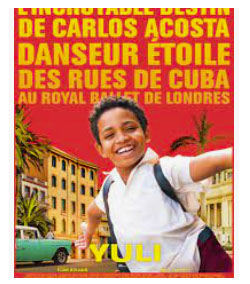
Yuli
Synopsis
Yuli follows the incredible, true-life journey of Carlos Acosta, a legendary Cuban ballet dancer who rose from the poverty-stricken streets of Havana to become the first Black principal dancer at London's prestigious Royal Ballet. Driven by his truck-driver father Pedro who pushes him relentlessly to conquer his natural resistance to ballet training, young Carlos initially resists the discipline, preferring street football and dancing hip-hop. As he matures under rigorous instruction, he channels his personal struggles, racial barriers, and deep homesickness into breathtaking physical grace. The film is a poetic biographical drama.
The Making of the Film
Directed by Icíar Bollaín and written by Paul Laverty, the film was adapted from Carlos Acosta's autobiographical memoir No Way Home. The inspiration stemmed from wanting to combine dramatic narrative storytelling with original contemporary dance choreography performed by Acosta himself. The production utilized authentic Havana street locations, royal ballet rehearsal studios in London, and striking choreography by Maria Seoane.
Critical Reception
Critics offered generally positive reviews, praising Carlos Acosta's magnetic screen presence, breathtaking dance sequences, and the film's innovative blending of biographical drama and choreography. Reviewers highlighted the emotional father-son dynamic as the beating heart of the story. The stylistic framing received praise.
Audiences embraced the movie as an inspiring, visually stunning celebration of artistic triumph over poverty.
The film earned recognition across international film festivals, including the Best Screenplay award at the San Sebastián International Film Festival.
Behind-the-Scenes Stories
Icíar Bollaín and Paul Laverty drew heavy inspiration from Carlos Acosta's published memoir and extensive interviews with the legendary dancer.
Integrating complex contemporary dance sequences into a narrative feature required close collaboration with professional dance troupes in London and Cuba.
During production, Carlos Acosta performed select retrospective choreography himself, adding profound personal authenticity to the film.
Casting non-professional actors in Havana brought gritty realism to the early childhood segments.
Themes Explored
The film explores ballet dance excellence, Cuban poverty, father-son relationships, racial barriers, artistic sacrifice, and homesickness.
Ending Explained
The triumphant conclusion shows Carlos achieving international acclaim as a ballet master, dedicating his artistic triumph to the loving memory of his father Pedro.
Meaning of the Title
Reference to the childhood nickname (Yuli) given to Carlos Acosta by his father, rooted in African mythology and family affection.
Original Soundtrack
The original musical score composed by Alberto Iglesias features sweeping orchestral arrangements combined with vibrant Afro-Cuban percussion and classical ballet melodies.
Similar films include Billy Elliot, First Position, The White Crow, and Center Stage.