

 Français
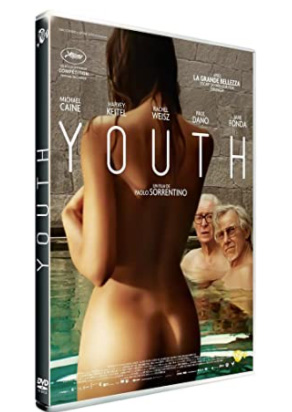
Youth
Synopsis
Vacationing at a luxurious spa hotel nestled in the Swiss Alps, an aging, retired famous English composer and conductor is visited by his filmmaker best friend who is desperately trying to finish what he hopes will be his cinematic masterpiece. As the two lifelong friends reflect upon their fading careers, health struggles, and complex family relationships, they observe the eccentric guests and hotel staff around them with poignant curiosity. Featuring encounters with aging movie stars, pop icons, and royalty, the film meditates on mortality and artistic legacy. The visually poetic drama captures the bittersweet beauty of aging.
The Making of the Film
Writer and director Paolo Sorrentino conceived the philosophical drama following the international success of The Great Beauty, seeking to explore aging, memory, and creativity from the perspective of elderly artists. The inspiration stemmed from contemplating what older creators feel when looking back at their life's work compared to the boundless energy of youth. The production team invested heavily in breathtaking alpine resort locations in Switzerland and opulent spa set designs. The script was structured as a series of surreal, poetic vignettes.
Critical Reception and Reviews
Professional critics gave generally positive reviews, praising Sorrentino's stunning visual cinematography, sumptuous set pieces, and stellar lead performances by Michael Caine and Harvey Keitel. Reviewers lauded Caine's subdued, poignant portrayal of a weary composer and Jane Fonda's fierce supporting turn. Critics noted that while the narrative was episodic and meditative rather than plot-driven, its emotional resonance was profound. Public reception was warm among arthouse cinema enthusiasts. The film earned an Academy Award nomination for Best Original Song.
Filming Anecdotes
Director Paolo Sorrentino drew visual inspiration from European art-house cinema, classical painting, and Fellini-esque surrealism. Production took place on location at luxury historic hotels in the Swiss Alps, capturing majestic mountain vistas and thermal baths. During the filming of orchestral conducting sequences, Michael Caine studied classical conducting posture closely to look authentic on screen. Jane Fonda brought fierce professional dedication to her memorable monologue scenes.
Themes Explored
The film explores aging, mortality, artistic legacy, memory, regret, friendship, and the contrast between youth and old age.
The poetic conclusion sees the retired composer finally agreeing to conduct his famous composition for royalty, having made peace with his grief and the passing of time.
Meaning of the Title
The title refers metaphorically to the elusive, fading concept of youth, contrasting the physical aging of the protagonists against their internal memories of passion.
Original Soundtrack
David Lang composed an extraordinary, Oscar-nominated musical score featuring haunting classical compositions and choral pieces that anchored the emotional soul of the film.
The film remains celebrated as a visually breathtaking and philosophically rich meditation on aging and artistic legacy.
The Great Beauty, The Father, Amour