

 Français
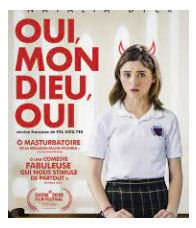
Yes, God, Yes
Synopsis
Set in the early 2000s during the dial-up internet era, a curious and impressionable Catholic high school teenager named Alice begins experiencing confusing sexual awakenings after an innocent online chatroom encounter spirals out of control. Tormented by intense guilt and religious shame instilled by her strict Catholic upbringing and moralistic school peers, Alice attends a secretive church youth retreat hoping to cleanse her soul. Instead, the retreat exposes the rampant hypocrisy and secret desires of both the students and leaders, leading to hilarious and eye-opening realizations. Ultimately, this sharp coming-of-age comedy-drama explores female sexuality, religious guilt, and self-discovery.
The Making of the Film
Writer and director Karen Maine expanded her acclaimed 2017 short film of the same name into a feature-length coming-of-age comedy-drama based loosely on her own Midwestern Catholic youth. The project was conceived as an authentic, witty exploration of adolescent female sexuality, religious dogma, and millennial nostalgia. Maine drew inspiration from personal diary entries, early internet chatroom culture, and the strict purity culture of the early 2000s. The production prioritized period-accurate dial-up aesthetics, awkward church camp settings, and Natalia Dyer's powerhouse lead performance.
Critical Reception
Critics offered widespread critical acclaim upon release, praising its sharp wit, empathetic direction, and Natalia Dyer's stellar lead performance. Reviewers noted that Karen Maine successfully navigated a delicate taboo subject with nuance, humor, and refreshing emotional honesty. The performances of the young ensemble cast received universal acclaim for capturing the excruciating awkwardness and peer pressure of religious youth camps. It established itself instantly as a refreshing triumph of independent coming-of-age cinema.
Audiences were completely charmed by the smart indie comedy, praising its spot-on millennial nostalgia, relatable sexual awakening themes, and witty dialogue. Viewers on streaming platforms commended Natalia Dyer for anchoring the awkward teenage journey with charming vulnerability. It found a welcoming audience among indie film fans and anyone who grew up navigating religious purity culture. Many praised its courage in addressing female masturbation and desire without cynical judgment.
Although major mainstream theatrical awards bypassed the indie comedy release, it earned recognition at several prestigious film festivals including SXSW, where it won the Special Jury Award for Ensemble Cast. Its acclaim centered primarily on Karen Maine's visionary writing and direction. Natalia Dyer's breakout film performance received universal praise from critics. These festival accolades cemented its legacy as a smart, beloved indie gem.
Behind-the-Scenes Stories
Karen Maine was heavily inspired by her own confusing experiences growing up in a strict religious school environment during the early days of AOL chatrooms and dial-up internet. She wanted to create a comedy that validated the awkwardness and shame many young women feel when exploring their bodies under strict religious surveillance. The visual style utilized early 2000s fashion, chunky computer monitors, sun-drenched camp cabins, and deadpan comedic framing. The director also worked closely with the young cast to foster an environment of trust and humor.
Shooting on location across historic church camps and suburban neighborhoods in the American Midwest presented authentic nostalgic textures for the independent crew. Natalia Dyer brought incredible comic timing and genuine vulnerability to her role as the guilt-ridden teenager Alice. The supporting cast of hypocritical camp counselors and awkward teens delivered pitch-perfect comedic performances. Despite modest indie funding, the technical crew successfully delivered a polished aesthetic.
During the filming of the awkward confession and camp seminar sequences, Natalia Dyer brought hilarious straight-faced sincerity to her character's inner panic. The supporting actors playing religious leaders delivered wonderfully deadpan performances that highlighted the satire. Crew members reported laughing quietly behind the monitors during the most cringe-inducing youth group scenes. The witty synergy among the cast gave the indie comedy its sharp edge.
Casting directors conducted an extensive search for a versatile young actress who could project both strict innocence and sharp comedic timing. Natalia Dyer was secured for the lead role of Alice following her breakout success in Stranger Things. Timothy Simons and Francesca Reale were cast as the hypocritical youth leaders. The supporting cast added stellar comedic depth to the camp ensemble.
Themes Explored
The film heavily explores female sexual awakening, religious guilt, and the toxic pressures of purity culture in Catholic youth groups. It examines hypocrisy, adolescent curiosity, and the awkward transition into self-acceptance. Another core motif is early internet culture, dial-up chatrooms, and millennial nostalgia. It also touches upon female friendship, autonomy, and personal liberation.
Ending Explained
The film concludes with Alice finally rejecting the suffocating guilt imposed by her religious educators during an emotional confrontation at the retreat, choosing to embrace her own bodily autonomy and curiosity without shame. Boarding the bus back home, she shares an empowering, knowing smile with a fellow camper, stepping into her independence with newfound confidence. The final uplifting shots show her driving away into the Midwestern sunset. This liberating finish offers a triumphant resolution to the theme of self-discovery.
Meaning of the Title
The title refers ironically and ecstatically to the famous ecstatic exclamation uttered during sexual discovery, playfully subverting religious prayer and divine invocation. It highlights the central comedic clash between sacred religious dogma and secular physical desire. The punchy phrasing sets a cheeky, provocative tone for the coming-of-age comedy. It encapsulates the protagonist's hilarious journey of liberation.
Similar films include Eighth Grade, Lady Bird, The Edge of Seventeen, and Booksmart, which feature coming-of-age comedies, teenage sexual awakening, and female self-discovery.