

 Français
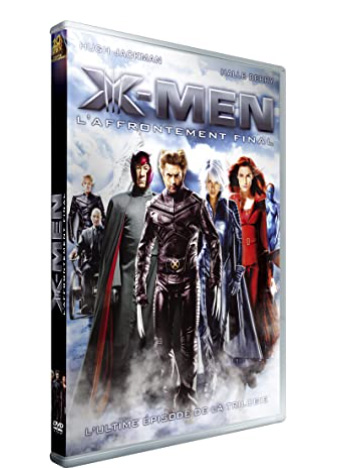
X-Men: The Last Stand
Synopsis
When a controversial pharmaceutical cure for mutation is developed, it divides the mutant community and sparks intense debate over whether mutant abilities are a gift or a disease to be cured. Magneto forms a militant brotherhood to wage war against human authorities, while the X-Men strive to maintain peace and protect society. Complicating matters further, Jean Grey returns from the dead transformed into the volatile and overwhelmingly powerful entity known as the Dark Phoenix. This explosive sequel concludes the original X-Men trilogy with high-stakes conflict.
The Making of the Film
Following the success of the first two films, 20th Century Fox sought a grand conclusion for the original X-Men trilogy with a massive budget and sweeping narrative stakes. Director Bryan Singer departed for another project, leading Brett Ratner to take over the director's chair weeks before production began. Screenwriters Zak Penn and Simon Kinberg adapted elements from the famous 'Dark Phoenix Saga' comic books alongside the mutant cure storyline. The production aimed to deliver an action-packed finale that tested the limits of mutant loyalty.
Critical Reception
Professional critics gave mixed reviews, praising the thrilling action sequences and impressive visual effects while criticizing the rushed pacing and crowded plotlines. Many reviewers felt that compressing the massive Dark Phoenix storyline alongside the cure narrative left certain characters underdeveloped. However, the emotional core involving Logan and Jean Grey received acknowledgment.
Public reception was commercially strong, turning the film into a box office hit despite dividing long-time comic book fans over narrative choices. Audiences appreciated the grand scale, high-impact battle scenes, and dramatic character sacrifices. It successfully closed out the initial trilogy chapter of the franchise.
Awards and recognition included several Saturn Award nominations and teen choice awards, reflecting its strong popularity among mainstream audiences. The film remains a notable pop culture artifact of mid-2000s blockbuster cinema. Its bold character choices continue to spark debates among fan communities.
Filming Anecdotes
The director drew inspiration from modern superhero blockbusters and classic disaster films to handle the large-scale conflicts. Production utilized expansive outdoor locations in Vancouver and massive constructed sets to simulate the destruction of Alcatraz Island. Stunt teams coordinated massive battle sequences involving dozens of mutant powers clashing simultaneously.
Production challenges included a very compressed pre-production schedule following the directorial transition, requiring quick decision-making from the crew. The visual effects department worked under immense pressure to render complex energy manifestations for Phoenix and various environmental destructions. Managing large group scenes with principal actors required precise daily coordination.
A memorable anecdote involves the construction of the massive Golden Gate Bridge set piece, which required a combination of physical roadway builds and extensive digital extensions. Hugh Jackman performed many of his own intense stunt recoveries during the forest battle sequences. The cast maintained high spirits despite the grueling physical demands of the shoot.
The casting process saw the return of the primary ensemble, though scheduling conflicts led to reduced screenplays for certain prominent characters. Famke Janssen embraced the dark, unhinged duality required for the Phoenix transformation. New additions like Kelsey Grammer as Beast brought beloved comic characters to life with critical praise.
Themes Explored
The themes explored include forced assimilation, bodily autonomy, societal prejudice, sacrifice, and grief. The story examines whether differences should be embraced as identity or eradicated to achieve conformity. It also highlights the devastating emotional cost of unchecked power and tragic love.
Explanation of the Ending
The ending features Wolverine making the heartbreaking choice to kill Jean Grey to stop the destructive Phoenix force from consuming everything. Magneto is shown in a park with his powers faintly returning, hinting that the mutant cure was not entirely permanent. In a post-credits scene, Professor X's consciousness is revealed to have survived in a new body, leaving hope for the future of the X-Men.
Title Significance
The title 'X-Men: The Last Stand' signifies the climactic final confrontation between mutants and humans over the cure, as well as the ultimate battle against the Phoenix. It serves as a dramatic marketing tag for the conclusion of the original trilogy. The name emphasizes the high-stakes survival nature of the plot.
The film is frequently discussed in pop culture retrospectives analyzing the history of superhero movie adaptations from the 2000s.
X-Men, X2, The Avengers, Man of Steel