

 Français
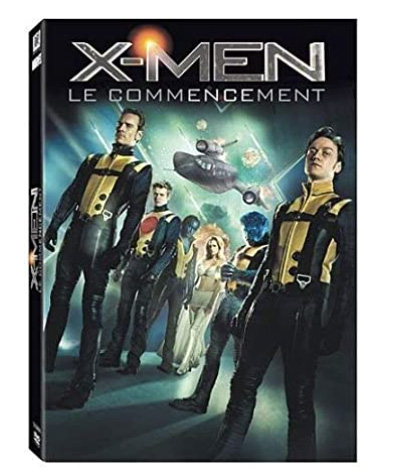
X-Men: First Class
Synopsis
Set against the backdrop of the 1962 Cold War, the film explores the untold origins of the X-Men universe before mutants revealed themselves to the world. Brilliant geneticist Charles Xavier and disillusioned survivor Erik Lehnsherr meet as close friends working together with the CIA to stop a mutant supremacist plot. As their ideological differences regarding human-mutant relations widen, a bitter rift forms that transforms them into Professor X and Magneto. This critically acclaimed prequel revitalized the franchise with stylish period flair and deep emotional drama.
The Making of the Film
Following the mixed reception of previous franchise entries, 20th Century Fox sought to reboot and refresh the series with an origin story set in the 1960s. Director Matthew Vaughn took the helm, injecting a stylish James Bond-esque aesthetic and sophisticated character dynamics into the comic book adaptation. The script was developed to focus heavily on the complex friendship and philosophical divide between Xavier and Magneto. Production aimed to ground the superhero mythology in real historical geopolitical tensions.
Critical Reception
Professional critics showered the film with widespread acclaim, praising its smart script, stylish direction, and exceptional chemistry between James McAvoy and Michael Fassbender. Reviewers commended how effectively the historical Cold War setting was woven into the mutant origin narrative. It was celebrated as a triumphant rebirth for the franchise that combined brains with blockbuster spectacle.
Public reception was enthusiastic, winning over both traditional comic book fans and general audiences with its fresh energy and compelling character arcs. Viewers praised the emotional depth of the central brotherhood-turned-rivalry and the strong supporting performances. It established a successful new foundation for future sequels.
Awards and recognition included numerous Saturn Award nominations and critical association wins for its screenplay and ensemble cast. The film is widely regarded by critics as one of the very best installments in the entire X-Men series. It redefined what a superhero prequel could achieve aesthetically.
Filming Anecdotes
The director drew heavy inspiration from classic 1960s spy thrillers, Cold War political dramas, and original Marvel comic book runs. Production utilized sleek retro-modern sets, custom-tailored period costumes, and authentic filming locations in the UK and US to capture the distinct era. Stunt coordinators designed distinct physical combat styles tailored to each unique mutant power.
Production challenges included working under an unusually tight production window to meet a strict studio release date. The visual effects teams had to deliver hundreds of complex mutant ability shots while maintaining the gritty period aesthetic. The cast underwent rigorous physical and mental preparation to embody the iconic characters during their formative years.
A memorable anecdote involves a surprise cameo appearance by Hugh Jackman that lasted only a few seconds but became one of the most talked-about comedic moments in the film. Michael Fassbender's intense physical training for the hunting sequences added visceral realism to Erik's early revenge arc. The camaraderie among the young cast members off-camera translated into powerful chemistry on screen.
The casting process sought dynamic young actors capable of filling the legendary shoes of Patrick Stewart and Ian McKellen. James McAvoy and Michael Fassbender were secured early to anchor the emotional core of the film. Jennifer Lawrence was cast as the young Mystique, bringing vulnerability and complexity to her transformative character arc.
Themes Explored
The themes explored include friendship, betrayal, ideological divergence, discrimination, and self-acceptance. The narrative examines how fear of the unknown drives society to persecute minorities. It also highlights the tragedy of two soulmates divided by fundamentally opposing worldviews.
Explanation of the Ending
The ending features a tense standoff during the Cuban Missile Crisis where human fleets fire upon mutants, leading Erik to deflect the missiles back toward the ships. When Charles tries to stop him, a stray bullet accidentally strikes Charles in the spine, paralyzing his legs and causing a permanent ideological split. Erik leaves with his followers to form the Brotherhood of Mutants, while Charles establishes his school for gifted youngsters alongside Raven.
Title Significance
The title 'X-Men: First Class' refers both to the original comic book team branding and to the foundational beginning of the mutant superhero group. It signifies the chronological starting point of the new cinematic timeline. The name highlights the younger generation of mutants learning to harness their powers.
The film is celebrated as a high watermark for superhero prequels, inspiring ongoing discussions about character-driven comic book adaptations.
X-Men: Days of Future Past, Captain America: The First Avenger, Watchmen, X-Men