

 Français
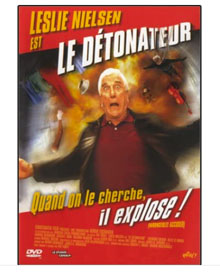
Wrongfully Accused
Synopsis
Framed for a high-profile murder he did not commit during a stormy boat excursion, a world-famous, eccentric concert violinist named Ryan Harrison finds himself on the run from federal marshals. Escaping custody after a bus crash, Harrison embarks on a hilarious cross-country manhunt to prove his innocence and track down the true one-armed, one-legged, one-eyed killer. Along the way, he parodies countless classic Hollywood blockbusters, spy tropes, and action clichés with relentless slapstick energy. Ultimately, this zany comedy delivers rapid-fire visual gags, puns, and sheer cinematic absurdity.
The Making of the Film
Writer and director Pat Proft conceived the film as an affectionate, rapid-fire parody of classic blockbuster thrillers, most notably The Fugitive and Titanic. The project was conceived as an old-school slapstick comedy in the tradition of Airplane! and The Naked Gun, both of which Proft previously co-wrote. Proft drew inspiration from classic visual gags, cinematic tropes, and deadpan physical comedy. The production prioritized non-stop background jokes, elaborate stunt parodies, and Leslie Nielsen's legendary comedic deadpan style.
Critical Reception
Critics offered mixed-to-negative reviews upon release, criticizing its derivative plot points and hit-or-miss gag frequency compared to earlier Zucker-Abrahams-Zucker classics. Reviewers noted that while Leslie Nielsen remained a master of deadpan comedy, the script relied too heavily on recycled slapstick tropes. Some film critics, however, praised individual visual puns and the sheer nostalgic energy of the parody genre. Despite mixed critical reviews, slapstick comedy enthusiasts embraced its goofy, unpretentious humor.
Audiences enjoyed the wacky parody for its non-stop visual gags, silly puns, and Leslie Nielsen's impeccable comedic timing. Viewers on home video platforms commended the clever cinematic parodies of famous action movies. It found a welcoming cult following among fans of classic 1990s slapstick comedies. Many appreciated that it did not take itself seriously, focusing purely on silly entertainment.
Although major mainstream cinematic awards bypassed the parody comedy release, it earned recognition among home video rental charts and comedy fan communities. Leslie Nielsen's dedicated physical comedy received praise from fans of Zucker-style humor. The film's barrage of background visual gags was celebrated by comedy reviewers. These milestones helped cement its reputation as a fun, silly entry in the golden age of cinematic parodies.
Behind-the-Scenes Stories
Pat Proft was heavily inspired by his extensive career writing iconic Zucker-Abrahams-Zucker parody films, wanting to craft a feature-length love letter to action blockbusters. He wanted to pack every single frame with background visual puns and sight gags that rewarded multiple viewings. The visual style utilized bright comedic lighting, rapid-fire editing, and elaborate stunt parodies. The director also worked closely with Leslie Nielsen to ensure every deadpan delivery hit with maximum absurdity.
Executing the elaborate action parody sequences on a modest comedy budget required precise stunt coordination and physical comedy timing from the cast. Shooting took place across soundstages and outdoor locations in Vancouver under lively production schedules. Leslie Nielsen performed many of his own silly physical bits with absolute enthusiasm and zero hesitation. Despite production constraints, the technical crew successfully delivered a polished parody aesthetic.
During the filming of the chaotic courtroom and chase sequences, Leslie Nielsen brought straight-faced gravity to completely ridiculous situations. The supporting cast of eccentric character actors delivered wonderfully deadpan comedic performances that heightened the silliness. Crew members reported laughing behind the monitors during the most absurd visual gag setups. The joyful camaraderie among the cast gave the comedy its infectious silly energy.
Casting directors secured the ultimate master of cinematic parody to anchor the zany comedy. Leslie Nielsen was secured for the lead role of Ryan Harrison, bringing his legendary deadpan authority to the absurd material. Richard Crenna and Kelly LeBrock were cast as the supporting authority figures. The supporting cast added stellar comedic timing.
Themes Explored
The film heavily explores cinematic satire, spoofing Hollywood blockbuster tropes, detective mysteries, and action clichés. It examines slapstick humor, visual puns, and absurd physical comedy. Another core motif is wrongful accusation and frantic fugitive escapes. It also touches upon romance, mistaken identity, and pure silliness.
Ending Explained
The film concludes with Ryan Harrison finally exposing the true one-armed, one-legged, one-eyed conspirators during a chaotic opera house showdown, clearing his name once and for all. Escaping the final explosion in typical slapstick fashion, he reunites with his true love in a hilarious parody of Titanic on a sinking door. The final goofy visual gag leaves the audience laughing as the credits roll. This cheerful finish wraps up the absurd mystery with pure comedic joy.
Meaning of the Title
The title refers directly to the classic legal thriller trope of a protagonist being wrongfully accused of a major crime they did not commit. It highlights the central premise driving the fugitive comedy plot. The straightforward phrasing sets a humorous, self-aware tone for the parody. It encapsulates the entire absurd journey of the hero clearing his name.
Similar films include Airplane!, The Naked Gun, Hot Shots!, and Scary Movie, which feature Zucker-style slapstick parodies, visual gags, and cinematic spoofs.