

 Français
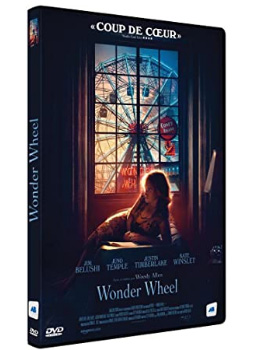
Wonder Wheel
Synopsis
Set in the 1950s against the nostalgic, noisy backdrop of the Coney Island amusement park, Ginny is an emotionally unstable former actress working as a waitress in a clam house. Married to Humpty, a rough carousel operator, her dreary life is upended when Humpty's estranged daughter Carolina arrives hiding from mobsters. Complications multiply when Ginny begins a passionate secret affair with Mickey, a handsome young lifeguard who also catches Carolina's romantic interest, triggering devastating jealousy and tragedy.
The Making of the Film
Woody Allen wrote and directed Wonder Wheel as a dramatic character study exploring romantic disillusionment, self-destruction, and unfulfilled dreams against a vibrant 1950s amusement park setting. Allen drew inspiration from classic American theatrical drama traditions, particularly echoing the emotional intensity of Tennessee Williams plays.
Critical Reception
Critics offered mixed reviews, praising Kate Winslet's towering, emotionally raw lead performance and Vittorio Storaro's breathtaking, painterly cinematography, while finding the dramatic narrative heavy-handed.
Audiences appreciated the atmospheric period recreation and dramatic performances, though it had a limited commercial theatrical footprint.
The film received acclaim from cinematography guilds and international festival screenings for its stunning visual lighting design.
Behind-the-Scenes Stories
Woody Allen and legendary cinematographer Vittorio Storaro drew heavy inspiration from classic 1950s color palettes, Coney Island historical archives, and theatrical stage melodramas.
Production required meticulous set construction on location and soundstages to recreate the iconic Coney Island boardwalk and amusement rides of the era.
During shooting, Storaro used dynamic, shifting color lighting changes (reds, blues, and golds) to mirror the emotional psychological states of the characters.
Kate Winslet delivered a grueling physical and emotional performance, often staying in character between takes to maintain the intense dramatic tension.
Themes Explored
Unfulfilled dreams, destructive romantic obsession, family betrayal, psychological instability, and the nostalgia of post-war America.
Ending Explained
Carolina is captured and killed by mobsters after her hiding spot is inadvertently revealed, leaving Ginny and Humpty trapped in their miserable, guilt-ridden existence on the boardwalk.
Meaning of the Title
Validating the iconic Coney Island landmark, the title symbolizes the cyclical, trapped nature of the characters' hopeless dreams and tragic flaws.
Blue Jasmine, Match Point, The Aviator, A Streetcar Named Desire