

 Français
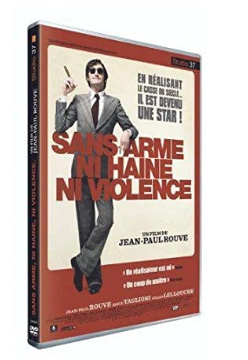
Without Arms, Without Armour, Without Violence
Synopsis
Without Arms, Without Armour, Without Violence (released in French as Sans arme ni haine ni violence) is a slick and witty French crime comedy-drama directed by actor Jean-Paul Rouve in his feature directorial debut. The story chronicles the incredible real-life 1976 heist masterminded by Albert Spaggiari, a charming photography shop owner in Nice who tunnels into a local bank vault to steal millions without firing a single shot or harming anyone. As Spaggiari and his eccentric crew pull off the audacious crime, they revel in their Robin Hood celebrity status while police scramble to uncover their identities. The film offers a stylish, humorous dive into one of France's most legendary heists.
The Making of the Film
Director and co-writer Jean-Paul Rouve was fascinated by the legendary 1976 Nice bank heist and the charismatic persona of Albert Spaggiari, seeking to bring a lighter, more humorous French crime caper perspective to the screen. Rouve worked closely with co-writer Emmanuel Bourdin to adapt Spaggiari's autobiographical writings and historical police records into a stylish screenplay. The production secured period-accurate 1970s costumes, vintage vehicles, and sunny southern French locations to recreate the nostalgic atmosphere. Jean-Paul Rouve himself took on the lead role of the charming mastermind.
Critical Reception
Professional critics offered mixed-to-favorable reviews, praising the film's lighthearted tone, stylish 1970s aesthetic, and Jean-Paul Rouve's charming lead performance. Reviewers noted that Rouve successfully captured the cheeky, anti-establishment spirit of Albert Spaggiari without glorifying criminal violence. Some critics felt the narrative structure leaned heavily on familiar heist caper conventions, but acknowledged its overall breezy entertainment value. It earned a respected place among modern French comedy-dramas.
Audiences responded with warm enthusiasm, enjoying the humorous bank-tunnelling caper, sunny Mediterranean backdrops, and quirky character dynamics. Viewers fond of witty French crime comedies found it thoroughly entertaining and stylish. Word-of-mouth sustained its popularity on home video and television broadcasts.
The film earned regional European cinematic recognition for its charming art direction, costume design, and engaging lead ensemble performances.
Behind-the-Scenes Stories
Director Jean-Paul Rouve drew inspiration from classic 1970s European caper films, real historical police archives, and Albert Spaggiari's own colorful memoirs. Coordinating the claustrophobic underground tunnel digging sequences required meticulous set design and stunt coordination. During the filming of the sunny Nice street scenes, the cast engaged in playful improvised banter that enhanced their natural chemistry. Before final casting was completed, various French actors were considered for the core supporting heist roles.
Themes Explored
Heists, Caper, Charm, Police Pursuit, Celebrity, 1970s France
Ending Explained
The bittersweet historical conclusion shows Spaggiari pulling off a daring courtroom escape before fleeing into lifelong exile, cementing his legendary elusive status.
Meaning of the Title
The French title quotes Albert Spaggiari's famous boastful note left in the empty bank vault, summarizing his peaceful and bloodless criminal philosophy.
Catch Me If You Can, Ocean's Eleven, The Hot Rock, Gambit