

 Français
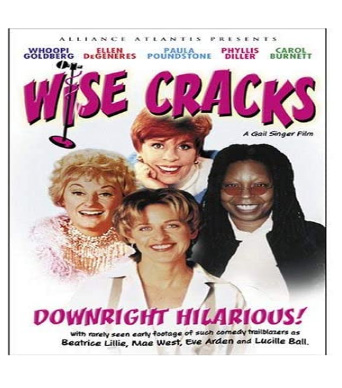
Wisecracks
Synopsis
This groundbreaking feature-length documentary explores the history, culture, and explosive rise of women in stand-up comedy. Director Gail Singer interviews an incredible roster of iconic female comedians, including Whoopi Goldberg, Ellen DeGeneres, Margaret Cho, Phyllis Diller, and Roseanne Barr. Through hilarious onstage stand-up routines, candid backstage interviews, and personal anecdotes, the film examines the unique sexism, body image pressures, and societal boundaries women faced in the male-dominated comedy industry. It serves as an empowering celebration of female humor and resilience.
The Making of the Film
Director and producer Gail Singer conceived the documentary to celebrate female comedians who were breaking glass ceilings in a traditionally male-dominated entertainment sector. Singer wanted to provide an uncensored platform for women to discuss the politics of laughter, censorship, and gender expectations. National Film Board of Canada and independent cultural funds financed the insightful project.
Critical Reception
Critics universally acclaimed Wisecracks as a brilliant, sharp, and empowering documentary that redefined conversations about gender in comedy. Reviewers praised Gail Singers smart framing, seamless editing of stand-up footage, and the raw honesty of the featured comediennes. The film was celebrated for combining laugh-out-loud humor with sharp feminist social commentary.
Public reception was strong among independent film audiences and feminist film circles, earning widespread praise for its cultural importance. Viewers appreciated seeing comedy legends speak candidly about the grueling realities of touring and television pitching. It remains an essential historical document of feminist comedy.
The film earned critical recognition at various international documentary film festivals, winning awards for its insightful cultural contribution. Its subjects went on to shape modern television comedy globally. Its historical legacy as a feminist milestone is secure.
Filming Anecdotes
Director Gail Singer drew inspiration from feminist media theory, stand-up club culture, and classic documentary interview techniques. She chose to shoot backstage in gritty comedy clubs and quiet interview spaces to capture authentic contrasts between public performance and private reflection. Her direction encouraged comedians to speak with total unfiltered honesty about industry sexism.
Production went smoothly, supported by a dedicated documentary crew capturing live comedy sets across North America. The featured comedians embraced the project with enthusiasm, sharing hilarious and heartbreaking stories freely. Archival television clips were woven seamlessly into the narrative.
A memorable sequence features Whoopi Goldberg and Phyllis Diller reflecting on how humor serves as a psychological shield and weapon against social marginalization. The scene captures the profound wisdom underpinning their comedy. Their sharp wit anchored the emotional weight.
The casting process was comprehensive, bringing together pioneering female comedians across different generations and backgrounds to ensure a diverse perspective on humor. Securing legends like Whoopi Goldberg and Roseanne Barr elevated the documentary cultural impact significantly.
Themes Explored
The film explores sexism in entertainment, the politics of laughter, female empowerment, body image, and resilience. It highlights how humor subverts patriarchal power structures. Laughter is a powerful weapon for social change.
NULL
Title Significance
The title refers cleverly to the witty, sharp-tongued jokes told by comedians while highlighting women breaking into a male-dominated industry. It captures the defiant humor of the documentary subjects.
NULL
NULL
Similar Films
Other similar films include The Comedians of Comedy, Joan Rivers: A Piece of Work, and Laughing Matters.