

 Français
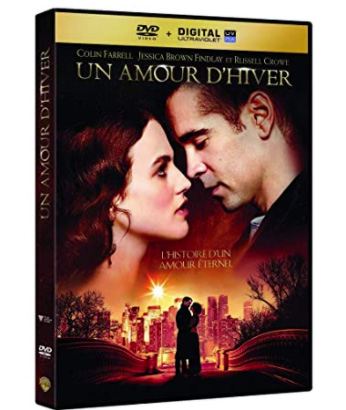
Winter's Tale
Synopsis
Set across a century in New York City, a skilled Irish burglar named Peter Lake falls deeply in love with a terminally ill heiress named Beverly Penn while hiding out in her opulent mansion. When Beverly tragically passes away from consumption, Peter discovers he possesses a miraculous gift of reincarnation and immortality, pursued relentlessly by his former demonic mentor, Pearly Soames. Wandering the snowy streets of modern-day Manhattan with no memory of his past, he encounters a journalist whose sick daughter sparks his dormant memories of eternal love. This sweeping magical realism romance spans generations.
The Making of the Film
The concept for Winter's Tale was adapted from Mark Helprin's acclaimed, highly magical 1983 postmodern fantasy novel of the same name, which was long considered unadaptable due to its complex mythological structure. Producer Marc Platt and screenwriter-director Akiva Goldsman took on the immense challenge of translating the sprawling, poetic New York fairy tale into a feature film. The production team sought to evoke a timeless, romanticized vision of Manhattan filled with flying white horses, magical realism, and celestial destiny. The film marked Akiva Goldsman's feature film directorial debut.
Critical Reception
Professional critics gave overwhelmingly negative reviews to Winter's Tale, criticizing its convoluted plot, excessive sentimentality, bizarre magical logic, and lack of romantic chemistry. Reviewers noted that the ambitious magical realism elements fell flat, resulting in a confusing and melodramatic viewing experience. The public response was poor at the box office, failing to recoup its production budget and quickly fading from public memory. Audiences found the mystical horse elements and time-jumping plot difficult to follow. The film did not receive major mainstream awards.
Filming Anecdotes
Director Akiva Goldsman drew heavy inspiration from classic fairy tales, romantic literature, and historical depictions of early 20th-century New York architecture. Production involved extensive location shooting across Manhattan and Brooklyn, utilizing vintage street dressing and snow machines to recreate the magical winter atmosphere. During the filming of the flying white horse sequences, the actors interacted with robotic mechanical rigs and green-screen props. Before Colin Farrell was cast as Peter Lake, several other prominent leading men were considered during decades of stalled script development.
Main Themes
The film explores profound themes of eternal love, miracles, destiny, reincarnation, the battle between light and darkness, and the mystical interconnectedness of human souls across time. It highlights how miracles can occur when love defies death. Additionally, it celebrates the magical spirit of New York City.
Ending Explanation
The climax resolves the century-long supernatural conflict when Peter Lake—having finally restored his lost memories through his connection to a sick child—defeats the demonic Pearly Soames once and for all. With the dark forces vanquished and the miraculous healing completed, Peter is reunited with his celestial white horse and ascends into the starry cosmos, having fulfilled his magical destiny across time. The young girl is miraculously cured, and the journalist finds enduring peace. The film ends on a serene, mystical note of eternal love transcending mortality.
Title Significance
The title references the cold, snowy winter setting in New York City that frames the magical, fairy-tale romance spanning across generations.
NULL
NULL
The Age of Adaline, About Time, Practical Magic, The Time Traveler's Wife