

 Français
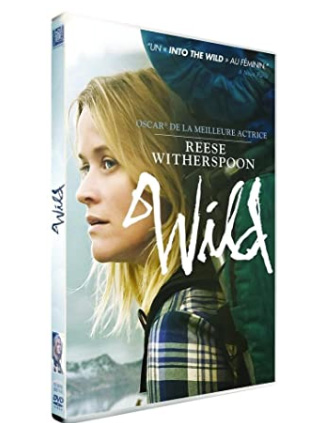
Wild
Synopsis
Following a decade of destructive self-destruction, heavy heroin addiction, and the devastating death of her beloved mother from cancer, Cheryl Strayed makes an impulsive, life-altering decision to hike the 1,100-mile Pacific Crest Trail entirely alone. With zero prior backpacking experience, a ridiculously oversized heavy backpack she nicknames 'Monster', and severe emotional trauma, Cheryl embarks on a grueling three-month physical and spiritual journey from the Mojave Desert to the Bridge of the Gods. Along the rugged trail, she confronts haunting memories of her past mistakes, finding inner healing and forgiveness. This breathtaking biographical drama celebrates resilience and spiritual rebirth.
The Making of the Film
Director Jean-Marc Vallée adapted the film from Cheryl Strayed's 2012 bestselling memoir Wild: From Lost to Found on the Pacific Crest Trail. Producer Reese Witherspoon optioned the book immediately after reading an advance manuscript, recognizing its profound potential for a raw female-led survival drama. Screenwriter Nick Hornby crafted a brilliant script that translated Cheryl's internal spiritual journey into a cinematic narrative. Searchlight Pictures backed the prestige production.
Critical Reception
Professional critics showered the film with widespread universal critical acclaim, praising its breathtaking cinematography, non-linear storytelling, and Reese Witherspoon's fearless, powerhouse lead performance. Reviewers lauded Laura Dern for her radiant, heartbreaking portrayal of Cheryl's mother. The film was celebrated as an emotionally raw, authentic masterpiece of self-discovery.
Public reception was a phenomenal box office and cultural success, resonating deeply with audiences inspired by Cheryl's harrowing physical and emotional journey. Viewers were moved by the honest portrayal of grief and addiction recovery. It cemented its status as a modern classic of biographical cinema.
Awards and recognition included two Academy Award nominations for Best Actress for Reese Witherspoon and Best Supporting Actress for Laura Dern, alongside widespread critics association accolades. Reese Witherspoon earned universal global praise. The film remains celebrated as a pinnacle of inspirational drama.
Filming Anecdotes
The director drew inspiration from wilderness survival memoirs, classic road-trip films, and naturalistic European cinema. Production famously shot on actual remote segments of the Pacific Crest Trail across Oregon and California in chronological order when possible. Reese Witherspoon carried her own real, heavy backpack during grueling mountain hikes to ensure authentic physical fatigue.
Production challenges included enduring harsh desert heat, freezing mountain rainstorms, and difficult wilderness terrain without traditional Hollywood glamour. Jean-Marc Vallée utilized natural lighting and handheld cameras to capture intimate, unscripted emotional reactions. The editing style fluidly wove past traumatic memories into present physical struggles.
A memorable anecdote involves Reese Witherspoon refusing a body double for the brutal toenail-loss and blister scenes, demanding total physical authenticity to honor Cheryl Strayed's real journey. Laura Dern filmed her emotional flashback scenes with profound maternal tenderness. The crew maintained a quiet, respectful atmosphere on set.
The casting process secured Reese Witherspoon to anchor the physically and emotionally demanding lead role of Cheryl Strayed. Laura Dern was cast as her mother Bobbi, earning widespread Oscar recognition. Supporting actors filled out the colorful array of fellow hikers and strangers encountered on the trail. The ensemble delivered career-best dramatic work.
Themes Explored
The themes explored include grief, addiction recovery, self-forgiveness, female independence, and spiritual healing through nature. The story examines how physical endurance can purge deep psychological trauma. It also highlights the enduring bond between mother and daughter.
Explanation of the Ending
The ending shows Cheryl Strayed finally completing her epic 1,100-mile hike at the Bridge of the Gods on the Columbia River, standing triumphant, exhausted, and emotionally transformed. A concluding voiceover reflects on her life's redemption, noting that while her mother's death remains a permanent loss, Cheryl has forgiven herself and found peace. The film closes on a serene, uplifting note celebrating human resilience.
Title Significance
The title 'Wild' refers literally to the untamed wilderness of the Pacific Crest Trail where the protagonist finds solitude, while metaphorically representing the wild, destructive grief and untamed spirit she must tame within herself. It is a punchy, poetic title. The name sets a powerful biographical drama tone.
Original Soundtrack
Featuring an evocative acoustic folk soundtrack featuring artists like Simon & Garfunkel and Lucinda Williams, the music perfectly captures Cheryl's reflective emotional journey.
The film remains celebrated as a modern masterpiece of inspirational wilderness survival and personal transformation.
Into the Wild, The Revenant, Eat Pray Love, Tracks