

 Français
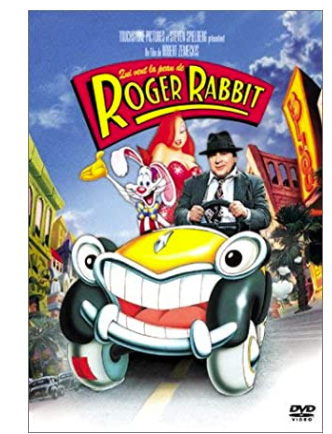
Who Framed Roger Rabbit
Synopsis
Set in 1947 Hollywood where cartoon characters—known as "Toons"—coexist alongside living human beings, a cynical, booze-swilling private detective named Eddie Valiant who harbors a deep hatred for Toons is hired to investigate a scandalous marital infidelity case. When the wealthy owner of Toontown is suddenly murdered and the manic cartoon star Roger Rabbit is framed for the crime, Eddie finds himself forced to clear Roger's name against a corrupt, sinister doom-plotting judge. As bullets and cartoon anvils fly, Eddie must confront his own tragic past while unraveling a sinister real estate conspiracy. This groundbreaking hybrid masterpiece blends live-action noir with classic animation.
The Making of the Film
The genesis of Who Framed Roger Rabbit came from Walt Disney Pictures purchasing the film rights to Gary K. Wolf's novel Who Censored Roger Rabbit? shortly after its publication in 1981. Director Robert Zemeckis and executive producer Steven Spielberg collaborated to bring the ambitious technical project to life, aiming to recreate the golden age of 1940s animation combined with gritty film noir live-action cinema. The production team spent years developing revolutionary optical compositing techniques to allow hand-drawn animated characters to interact seamlessly with physical live-action props, lighting, and actors. The project required unprecedented licensing agreements between rival animation studios like Disney, Warner Bros., and Universal to share classic cartoon characters on screen together.
Critical Reception
Professional critics gave universal critical acclaim to Who Framed Roger Rabbit, praising its revolutionary visual effects, whip-smart script, hilarious comedy, and brilliant integration of noir tropes with cartoon slapstick. Reviewers lauded Robert Zemeckis for pulling off what many considered an impossible technical feat while maintaining a compelling, suspenseful narrative core. The public response was a massive worldwide box office blockbuster that captivated audiences and dominated pop culture in the late 1980s. Audiences fell instantly in love with Jessica Rabbit and the chaotic energy of Toontown. The film won four Academy Awards, including three competitive technical Oscars and a Special Achievement Academy Award for director Richard Williams's animation direction.
Filming Anecdotes
Director Robert Zemeckis drew heavy inspiration from classic 1940s film noir classics like Chinatown and Sunset Boulevard, mixed with vintage Warner Bros. and Disney cartoon shorts. Production was a monumental logistical nightmare, requiring actor Bob Hoskins to act entirely opposite empty space, robotic puppet arms, and rubber props while visualizing animated co-stars like Roger Rabbit. During the filming of complex interactive sequences, physical props were rigged on invisible wires to move on their own, allowing Hoskins to realistically interact with unseen cartoon forces. Before Bob Hoskins was cast as Eddie Valiant, several major Hollywood actors including Harrison Ford and Jack Nicholson were considered for the detective role.
Main Themes
The film explores themes of prejudice, trauma, corporate greed, gentrification, and finding joy in dark times. It uses the tension between humans and Toons as a metaphor for social discrimination and historical marginalization. Additionally, it celebrates cinematic history, laughter, and the magic of animation.
Ending Explanation
The climax resolves the noir conspiracy when Eddie Valiant discovers that Judge Doom is actually a rogue Toon who murdered Roger's boss to clear the way for a destructive freeway that will demolish Toontown. Using a spray hose filled with toxic "Dip" solvent, Eddie melts Judge Doom in a frantic factory showdown, exposing the villain's true cartoon identity and saving the city. With Toontown saved, Roger's name cleared, and his deep-seated hatred for Toons finally cured by laughter, Eddie happily joins his cartoon friends in celebrating their victory. The film ends on a whimsical, iconic note with Porky Pig and Tinker Bell closing the movie together.
Title Significance
The title directly establishes the core mystery and inciting criminal framing plot of the narrative: figuring out who framed the innocent cartoon star Roger Rabbit for murder.
NULL
NULL
Cool World, Space Jam, Dick Tracy, L.A. Confidential