

 Français
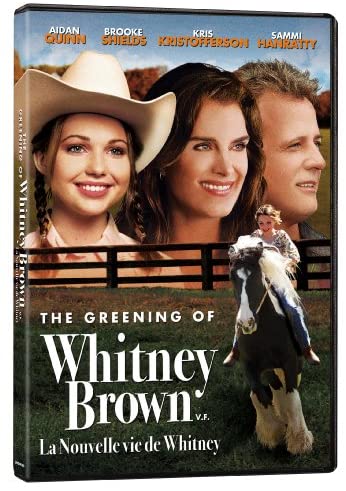
Whitney
Synopsis
Whitney struggles to find purpose and direction in a fast-paced urban environment after facing a series of personal and professional setbacks. Amidst the chaos of modern relationships and career pressures, she embarks on a soul-searching journey of self-discovery. Along the way, she encounters eccentric acquaintances and unexpected challenges that force her to reevaluate her life goals. Her path to a new life is filled with humorous moments and poignant realizations.
The Making of the Film
Director Peter Skillman Odiorne conceptualized the project as a contemporary indie dramedy exploring the quarter-life crisis experienced by many young adults entering the professional world. Inspired by observations of urban millennials struggling to balance expectations with reality, he sought to create an authentic character study. The script was written with a focus on naturalistic dialogue and relatable interpersonal conflicts. The production relied heavily on independent financing and local New York locations to maintain artistic freedom.
Critical Reception
Professional critics noted the film as a charming, low-budget indie effort that captured the awkwardness of modern adulthood with modest sincerity. Reviewers appreciated the grounded performances and the director's restrained approach to romantic comedy tropes. While some felt the narrative structure was slightly meandering, the overall charm and relatable protagonist earned favorable notices.
Public reception was modest, finding an appreciative niche audience among fans of micro-budget independent cinema and slice-of-life storytelling. Viewers connected with the authentic portrayal of career uncertainty and dating struggles in a modern metropolis. It gained a quiet reputation as an endearing hidden gem for indie film enthusiasts.
The film did not pursue major commercial awards due to its grassroots distribution model, but it received warm receptions at regional independent film showcases. Its honest depiction of contemporary youth culture earned positive nods from independent critics' groups. These screenings helped establish the director's voice in the indie scene.
Behind-the-Scenes Stories
Director Peter Skillman Odiorne drew inspiration from 1990s indie cinema and real-life anecdotes shared by friends navigating career transitions in major cities.
Production faced tight budgetary constraints, leading the crew to utilize guerilla filmmaking techniques and natural lighting across various authentic New York City neighborhoods.
During the filming of the pivotal street-corner monologue, unexpected city pedestrian traffic forced the crew to quickly adapt and incorporate the real bystanders into the background of the shot.
The casting process relied on open auditions and local theater talent, allowing the filmmakers to discover fresh faces who brought an unpolished authenticity to their respective roles.
Themes Explored
Quarter-life crisis, self-reinvention, modern urban alienation, career uncertainty, friendship, and the pursuit of authenticity over societal expectations.
The conclusion brings Whitney to a place of quiet peace and acceptance, realizing that perfection is an illusion and that life is defined by continuous adaptation. Rather than finding a fairytale romance or sudden career pinnacle, she finds contentment within herself, ready to face whatever comes next with newfound confidence.
The title directly uses the first name of the protagonist, highlighting the intimate, character-driven nature of a story focused entirely on her personal transformation.
Frances Ha, Greenberg, Happy-Go-Lucky, Paterson