

 Français
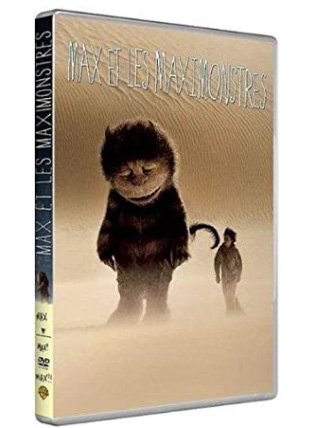
Where the Wild Things Are
Synopsis
Max is a sensitive, imaginative nine-year-old boy who feels misunderstood at home and prone to wild emotional outbursts. Following a severe tantrum, he runs away from home and discovers a mysterious coastal forest where he finds a small boat that magically transports him across the ocean to a surreal island inhabited by giant, monstrous creatures known as the Wild Things. Declared their king due to his wild imagination, Max helps them build a utopian fortress, but soon learns that ruling a community requires emotional maturity and empathy. His journey teaches him how to navigate anger, loneliness, and growing up.
The Making of the Film
Director Spike Jonze adapted the film from Maurice Sendak's beloved 1963 children's picture book. Jonze wanted to capture the raw, emotional intensity of childhood alienation and imagination rather than turning the short book into a standard animated family movie, utilizing groundbreaking practical creature suits.
Critical Reception
Professional critics universally acclaimed the film as a masterpiece of imaginative cinema, praising its melancholic depth, stunning practical creature effects by Jim Henson's Creature Shop, and Spike Jonze's visionary direction.
The general public offered mixed reactions, with adult cinephiles praising its psychological maturity while some family audiences expected a lighter children's comedy.
The film received numerous critic association awards and a Saturn Award nomination for best fantasy film.
Behind-the-Scenes Stories
Director Spike Jonze drew inspiration from his own childhood memories, Maurice Sendak's psychological illustrations, and classic coming-of-age cinema.
Production utilized massive, state-of-the-art physical creature suits operated by puppeteers alongside stunt performers in remote Australian locations.
During the filming of the outdoor forest romps, young actor Max Records interacted with real physical monsters rather than green-screen markers.
Initially, various animation studios attempted adaptations over decades before Jonze secured live-action rights.
Themes Explored
The film explores childhood emotional turbulence, loneliness, imagination as a coping mechanism, empathy, and family bonds.
Ending Explained
The ending shows Max saying an emotional goodbye to the Wild Things as he sails back home to his mother, finding comfort and acceptance in a warm bowl of soup.
Meaning of the Title
The title 'Where the Wild Things Are' directly references Maurice Sendak's classic book title, denoting the fantastical realm of untamed childhood emotions.
Similar Films
Pan's Labyrinth, A Monster Calls, Bridge to Terabithia, Coraline