

 Français
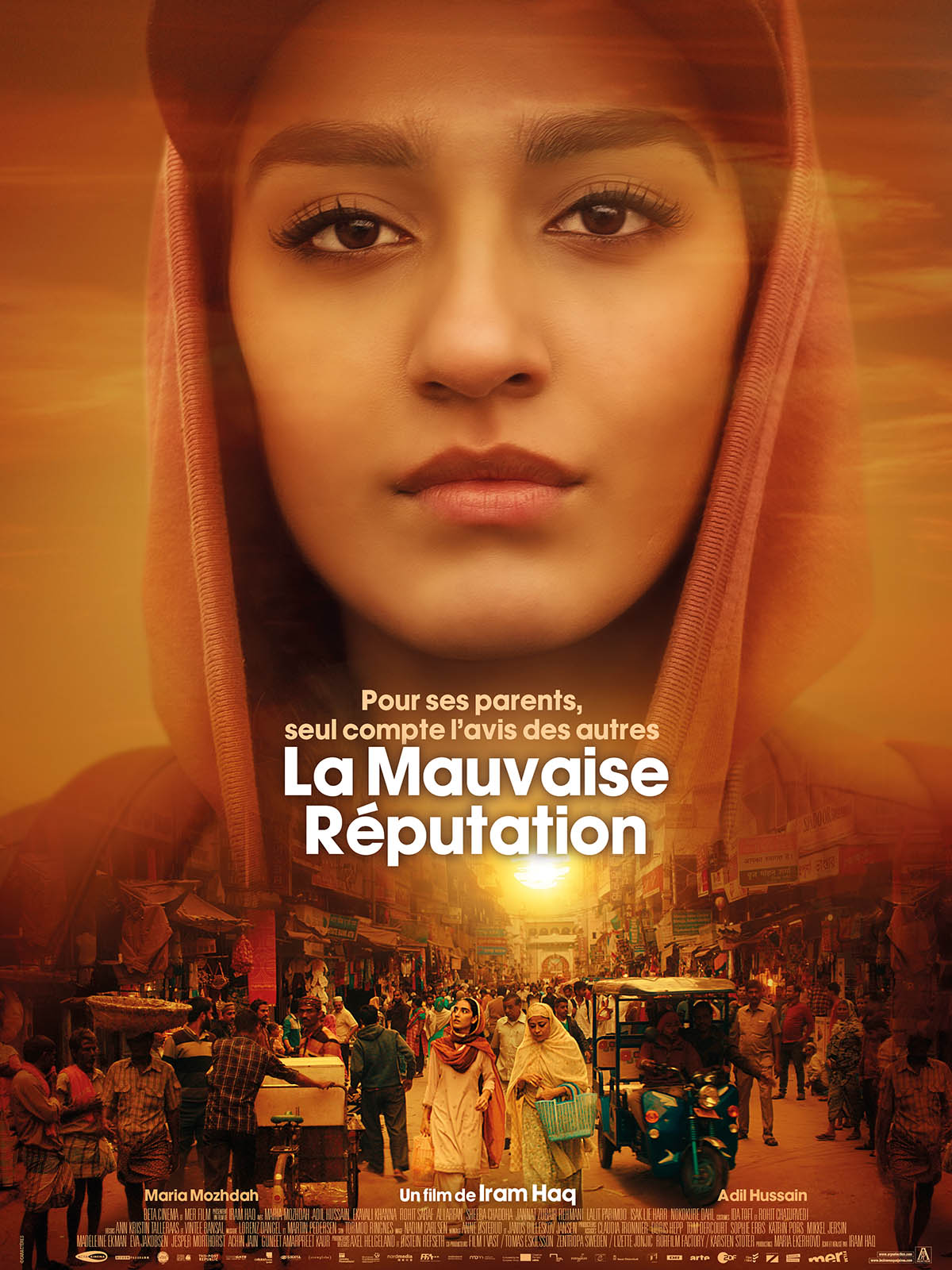
What Will People Say
Synopsis
Nisha is a bright 16-year-old Norwegian-Pakistani teenager living a double life, balancing modern teenage freedom with her traditional family's strict cultural expectations in Oslo. When her conservative father discovers her alone in her bedroom with her Norwegian boyfriend, a violent family crisis erupts over perceived dishonor. Feeling their community standing is threatened, her parents take drastic measures by forcefully abducting Nisha and sending her to live with extended family in Pakistan. In an unfamiliar environment with restricted freedom, Nisha must navigate intense cultural isolation, familial pressure, and her fight for personal autonomy.
The Making of the Film
Writer and director Iram Haq drew deeply from her own personal teenage experiences of being abducted and sent to Pakistan by her family, making the project a powerful semi-autobiographical work. The filmmaker wanted to shed light on the complex realities of honor culture, cultural displacement, and generational clashes within immigrant families. The production prioritized realistic location shooting in both Norway and Pakistan, ensuring authentic cultural nuances. The script was crafted to foster empathy and critical dialogue without resorting to simplistic villainy.
Critical Reception
Professional reviews were overwhelmingly positive, with international critics praising the film's gripping tension, courageous storytelling, and the staggering breakout lead performance of Maria Mozhdah. Reviewers lauded director Iram Haq for handling a sensitive and taboo subject with profound emotional nuance, honesty, and directorial maturity. It received high critical acclaim at prestigious film festivals worldwide.
Public reception was deeply emotional and thought-provoking, sparking vital national conversations in Scandinavia regarding immigrant integration, individual rights, and honor-related social pressures. Viewers were captivated by Nisha's harrowing journey and resilience. Word-of-mouth helped establish the film as an essential contemporary drama.
Awards recognition included multiple Amanda Awards (Norway's equivalent to the Oscars), including Best Film, Best Director, and Best Screenplay, cementing its status as a masterwork of modern European cinema.
Shooting anecdotes
Director Iram Haq drew inspiration from classic social realism and her own deeply traumatic childhood memories of cultural displacement.
Production faced intense logistical hurdles filming covertly in sensitive regional locations in Pakistan while managing sensitive cultural themes with local crews.
During the harrowing abduction sequence, lead actress Maria Mozhdah channeled immense emotional vulnerability that deeply moved the entire on-set crew.
Initial casting involved an extensive nationwide search in Norway to find a young newcomer who could authentically capture the dual identity and emotional strength required for the lead role.
Themes explored
The film explores cultural displacement, honor culture, patriarchal control, individual freedom, and generational conflict within immigrant families. It examines the emotional toll of balancing two opposing worlds. It also highlights female resilience and courage against systemic oppression.
Explanation of the ending
The ending provides a bitter-sweet and realistic resolution as Nisha refuses to conform to patriarchal demands even after returning to Norway, choosing independence over familial subjugation. It closes on a powerful note of self-emancipation and psychological survival.
Meaning of the title
The title translates the pervasive cultural phrase 'log kya kahenge' (what will people say), symbolizing the suffocating social surveillance and fear of community judgment that dictates the family's strict rules.
Mustang, The Breadwinner, Room, Persepolis