

 Français
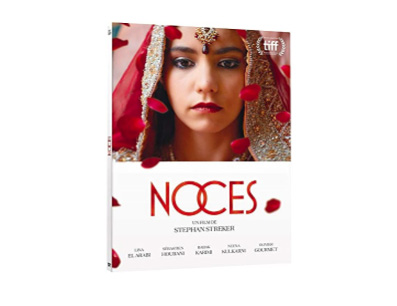
Wedding Without Love
Synopsis
A young Belgian-Pakistani woman named Zahira finds herself pregnant and torn between her modern Western lifestyle and the traditional expectations of her family. When her parents arrange a traditional marriage against her will, she must make a heartbreaking choice that will alter her life forever. Supported only by her brother and a close friend, she attempts to carve out an independent path amidst mounting pressure and cultural tension. The narrative unfolds as a gripping drama about identity, autonomy, and the courage to defy convention.
The Making of the Film
Director Stephan Streker was inspired to write and direct the film after reading a real-life news headline about an honor-related tragedy in Europe. He wanted to explore the silent psychological pressure experienced by second-generation immigrants caught between two vastly different cultural worlds. The narrative was meticulously researched through interviews with social workers, sociologists, and young women facing similar familial dilemmas. Streker aimed to create a nuanced human portrait rather than a simplistic moral tale, focusing intensely on empathy and the complexity of family bonds.
Critical Reception and Reviews
Professional critics praised the film for its remarkable sensitivity, tense pacing, and refusal to rely on sensationalist clichés when tackling a delicate subject. Reviewers lauded lead actress Lina El Arabi for delivering a powerful, grounded, and emotionally devastating performance that carried the entire narrative. The critical consensus highlighted how the film successfully balanced universal themes of emancipation with specific cultural realities. Audiences responded with deep emotional engagement, often discussing the intense moral dilemmas presented in the screenplay long after the credits rolled. The film garnered significant critical acclaim, winning multiple national and international film awards for its direction, screenplay, and lead performance.
Filming Anecdotes
The director drew inspiration from classical European social realism, opting for intimate handheld camera work to enhance the feeling of claustrophobia and tension. Production required careful cultural consulting to ensure the depiction of both Western and traditional Pakistani household dynamics remained authentic and respectful. During the filming of the most emotionally charged confrontation scene, the set fell into a profound silence that deeply affected the entire cast and crew. The casting process was extensive, as the director auditioned dozens of young actresses before finding the precise emotional vulnerability needed for the lead role.
Themes Explored
The film explores cultural identity, generational conflict, female autonomy, and the heavy weight of family honor within immigrant communities. It also highlights the universal struggle for personal freedom versus collective tradition.
The tragic climax demonstrates the devastating consequences of uncompromising social codes, while the final moments leave viewers with a haunting reflection on the price of individual liberty.
The title refers to the traditional concept of marriage within specific cultural frameworks where personal affection is secondary to family alliance and social duty.
The film continues to be used in educational settings across Europe to spark discussions on integration, human rights, and women's independence.
Mustang, Fatima, Theeb