

 Français
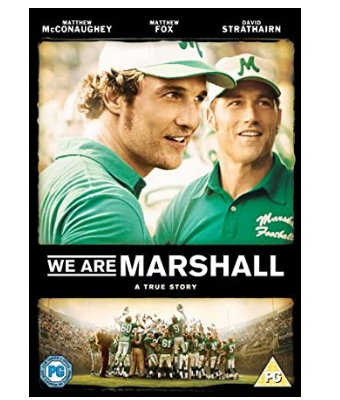
We Are Marshall
Synopsis
Based on a true story, the emotional sports drama chronicles the aftermath of the devastating 1970 plane crash that claimed the lives of seventy-five members of the Marshall University football team, coaching staff, and community supporters. As a grieving university and town struggle to comprehend an unimaginable tragedy, a newly appointed head coach named Jack Lengyel arrives to rebuild the football program from scratch. Rallying surviving students, grieving families, and inexperienced players, he proves that football can serve as an instrument of community healing and renewal.
The Making of the Film
Director McG took on the emotionally heavy biographical project, striving to honor the enduring legacy of the Marshall Thundering Herd with solemn respect. Producers collaborated closely with surviving families, university administrators, and community members in Huntington, West Virginia, to ensure historical sensitivity. The production utilized authentic locations across Huntington, incorporating local landmarks and university facilities to recreate the tragic year of 1970. Matthew McConaughey was cast as Jack Lengyel, bringing boundless eccentric energy and compassionate leadership. The film aimed to celebrate resilience born from profound grief.
Critical Reception
Critics offered mixed reviews, praising Matthew McConaughey's charismatic lead performance and the high emotional stakes while noting conventional inspirational sports biopic formulas. Reviewers acknowledged the profound gravity of the historical tragedy and its respectful cinematic handling. Audiences responded warmly to the film's uplifting themes of community recovery and sportsmanship. Matthew Fox also received praise for his grounded supporting turn as assistant coach Red Dawson. It remains a deeply touching tribute to collegiate sports resilience.
Behind-the-Scenes Stories
McG drew visual inspiration from 1970s newsreel archives, collegiate sports broadcasts, and documentary photography of small-town American grief. Matthew McConaughey spent time studying Jack Lengyel's real coaching mannerisms, unique motivational tactics, and vibrant wardrobe style. During filming in Huntington, local residents volunteered extensively as extras, bringing genuine emotional authenticity to stadium crowd sequences. The production paused filming on anniversary dates to observe respectful moments of silence with grieving families.
Themes Explored
The narrative explores grief, community healing, collegiate sports tradition, and the refusal to let tragedy define an institution's future. It examines how collective mourning can transform into active solidarity and renewal. Furthermore, it highlights the therapeutic power of football in bringing broken towns together.
Ending Explained
Marshall wins its first home game back following a miraculous last-second touchdown, sending the packed stadium into tearful, euphoric celebration. The final cinematic moments feature a moving memorial tribute at the campus gravesites of the fallen players and coaches. A powerful sense of spiritual restoration closes the narrative.
Meaning of the Title
The title represents the famous rallying cry and university motto used by students, players, and townspeople to unite their community in the face of insurmountable tragedy.
Other emotional historical sports and recovery dramas such as Remember the Titans, Friday Night Lights, and Miracle.