

 Français
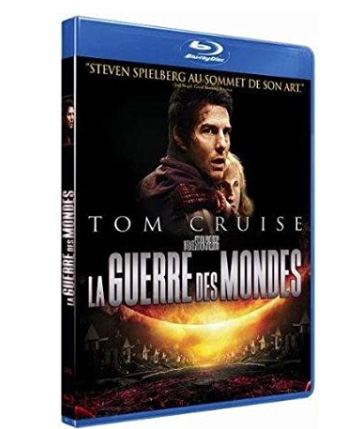
War of the Worlds
Synopsis
Ray Ferrier is an indifferent divorced dockworker living in New Jersey who struggles to connect with his two visiting children, Robbie and Rachel. Their strained weekend visit is abruptly interrupted when massive, terrifying alien tripod machines emerge from beneath the earth, unleashing widespread destruction. Humanity is caught entirely unprepared as the towering mechanical beasts incinerate cities and harvest human life. Desperate to keep his kids alive, Ray embarks on a harrowing, cross-country journey to deliver them safely to their mother in Boston.
The Making of the Film
Based on H.G. Wells's classic 1898 science-fiction novel, the cinematic adaptation was developed as a modern blockbuster directed by Steven Spielberg. Spielberg wanted to capture the sheer terror of an apocalyptic invasion from a grounded, blue-collar human perspective rather than a military standpoint. The production was fast-tracked following the terrorist attacks of September 11, deliberately reflecting collective national anxiety and sudden disaster. Tom Cruise signed on eagerly to collaborate with Spielberg on a dark, survival-focused sci-fi epic.
Critical Reception
Critical reception for the film was generally positive, with reviewers praising its relentless suspense, breathtaking special effects, and Spielberg's masterful direction of tension. Critics lauded Dakota Fanning's phenomenal child performance and the gritty, post-9/11 atmosphere that permeated the narrative. While some reviewers expressed frustration with the abrupt, traditional resolution, audiences turned the film into a massive global box office blockbuster. It remains celebrated as one of the most terrifying alien invasion films ever made.
Behind-the-Scenes Stories
Director Steven Spielberg purposely avoided using traditional green screens for explosions and destruction scenes, utilizing actual physical debris and wind machines on set. Dakota Fanning performed many of her panicked screaming scenes with genuine emotional intensity, often terrifying the crew with her dedication. The iconic ferry attack sequence required intricate stunt coordination and specialized water-tank rigs. Tom Cruise insisted on performing numerous physical action beats himself while running from tripod incinerations.
Themes Explored
The film explores survival, parental redemption, and the fierce instinct to protect family against insurmountable apocalyptic odds. It mirrors post-9/11 societal trauma, sudden disruption of normal life, and the vulnerability of modern civilization. The breakdown of societal order and human desperation under extreme threat are central narrative pillars. It also highlights human insignificance in the face of cosmic forces.
Ending Explained
The alien tripods suddenly collapse and die after millions of years of dominance because their biological organisms cannot handle Earth's microscopic bacteria. Ray and his children finally reach Boston, discovering that the rest of their family survived the global devastation. The voiceover narration explains that humanity's survival was ultimately secured by the humblest things that God in His wisdom put upon this earth. The conclusion provides a triumphant yet sobering reminder of nature's invisible defenses.
Meaning of the Title
array(0) {}The title refers directly to H.G. Wells's source material and the global planetary conflict between humanity and invading extraterrestrial forces. It sets an epic, apocalyptic tone for the large-scale destruction depicted on screen. The name encapsulates the ultimate clash between two intelligent species fighting for planetary survival.
John Williams composed a chilling, atmospheric orchestral score featuring eerie choral arrangements that amplify the terror of the alien invasion.
Independence Day, Cloverfield, Signs, A Quiet Place