

 Français
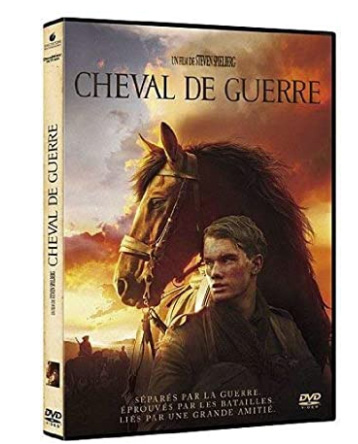
War Horse
Synopsis
Set during the turbulent years of World War I, a remarkable bay thoroughbred horse named Joey is sold to the British cavalry, embarking on an extraordinary journey across the scarred battlefields of Europe. Along the way, Joey touches the lives of everyone he encounters, from British cavalry officers and German soldiers to a young French grandfather and his orphaned granddaughter. Meanwhile, Albert, the young farm boy who raised and trained Joey in Devon, enlists in the army, desperately hoping to find his beloved animal companion. This sweeping historical war drama explores loyalty, survival, and compassion amidst devastation.
The Making of the Film
Based on Michael Morpurgo's beloved 1982 children's novel and its subsequent smash-hit West End theatrical adaptation, producer Kathleen Kennedy and director Steven Spielberg brought the property to the screen. Spielberg was deeply moved by the universal themes of innocence and survival through the eyes of an animal during mechanized warfare. Screenwriters Lee Hall and Richard Curtis adapted the episodic narrative to maintain emotional resonance across diverse human perspectives. The production meticulously researched WWI cavalry tactics and agricultural history.
Critical Reception
Upon its theatrical release, the film received generally positive reviews from critics, who praised Steven Spielberg's masterclass direction, stunning cinematography by Janusz Kamiński, and John Williams' soaring musical score. Reviewers highlighted the emotional power of the animal performances and the sweeping, classic Hollywood epic feel of the storytelling. Audiences responded warmly to the film's poignant message of compassion across enemy lines. It earned six Academy Award nominations, including Best Picture, cementing its place among acclaimed war dramas.
Behind-the-Scenes Stories
Over fourteen different horses were used to portray Joey across various stages of his life and training, requiring dedicated equine handlers on set at all times. Steven Spielberg insisted on using practical special effects and real horse choreography during the terrifying trench warfare sequences rather than excessive CGI. Jeremy Irvine, making his feature film debut as Albert, sustained numerous minor bruises and cuts while working closely with the horses on rough terrain. The production traveled across authentic rural locations in England to capture the picturesque Devon countryside before moving to France.
Themes Explored
The film explores the horrors of modern mechanized warfare and its devastating impact on both human lives and nature. It examines unconditional loyalty, friendship, and empathy that transcends national enmities on the battlefield. Furthermore, it highlights hope, resilience, and the enduring bond between humans and animals.
Explication_fin
As World War I finally ends in the muddy trenches of the Western Front, Joey wanders into no-man's-land and is miraculously reunited with Albert, who is now suffering from temporary blindness due to mustard gas. Although a military order dictates that the surviving horses must be auctioned off, a compassionate British officer steps in and allows Albert to purchase Joey for a symbolic coin. Albert rides Joey back home to his family farm in Devon, fulfilling his promise to keep him safe. The conclusion brings profound emotional catharsis and peace.
Meaning of the Title
The English title War Horse refers directly to the equine protagonist whose central journey anchors the epic canvas of World War I. It highlights the tragic militarization of animals during historic conflicts. The title sets a classic, majestic historical epic tone.
John Williams' magnificent, Oscar-nominated orchestral score weaves soaring pastoral themes with mournful brass arrangements, perfectly capturing the emotional grandeur and tragedy of the wartime journey.
Saving Private Ryan, 1917, Seabiscuit, The Horse Whisperer