

 Français
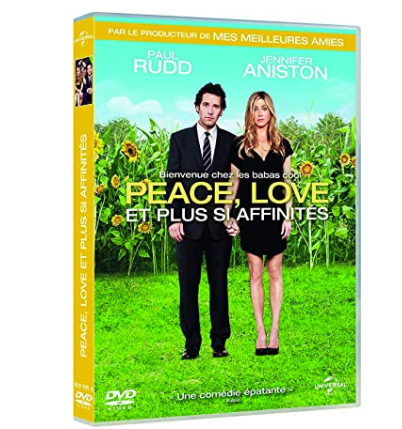
Wanderlust
Synopsis
A stressed-out Manhattan couple struggling with financial ruin and urban career burnout decides to leave New York City behind and move to Atlanta. Along the way, they visit an eccentric, free-loving rural hippie commune where free expression, open relationships, and communal living are the norm. Initially bewildered by the unorthodox lifestyle, they gradually immerse themselves in the commune's counterculture philosophy, leading to hilarious personal revelations. This unconventional detour forces them to reevaluate their marriage and career ambitions.
The Making of the Film
Director and co-writer David Wain conceived the comedy alongside producer Judd Apatow to satirize modern urban stress and alternative hippie communes. The inspiration drew from Wain's fascination with 1970s counterculture communities and modern lifestyle experiments. The production team aimed to create an uninhibited, R-rated ensemble comedy that allowed actors to heavily improvise their scenes. The script was structured to contrast uptight city slickers with whimsical, boundary-pushing free-spirits.
Critical and Reception
Professional critics gave mixed reviews, praising the talented comedic cast, energetic improvisation, and several genuinely funny moments while noting an uneven narrative structure. Audiences provided a modest box-office performance, finding it an amusing and quirky comedy for fans of absurd humor. Reviewers highlighted Paul Rudd and Jennifer Aniston's strong comedic timing and chemistry. Over time, it gained a dedicated cult following among comedy enthusiasts.
Filming Anecdotes
Director David Wain drew inspiration from classic counterculture satires, improvisational comedy traditions, and 1970s documentary films. Production faced hilarious challenges on set as the cast was encouraged to improvise alternative punchlines and dialogue during key sequences. During the intimate nudist commune scenes, the actors maintained complete professionalism and humor despite the awkward wardrobe requirements. The studio supported assembling an elite ensemble of comedic actors to foster a collaborative creative environment.
Themes Explored
The film explores urban stress, marital compromise, alternative lifestyles, and the pursuit of genuine happiness versus corporate success. It examines how modern materialism often distances individuals from authentic human connection. Freedom versus security serves as the central comedic dilemma for the couple. Additionally, sexual liberation and community living provide satirical commentary.
Explanation of the Ending
The narrative concludes with the couple realizing that neither extreme corporate Manhattan nor a chaotic hippie commune fits their true desires, choosing instead to build an authentic life on their own terms. They leave the commune with mutual affection and return to face their future with honesty and humor. The final scenes show them embracing a balanced lifestyle in a modest new home. It provides a cheerful and satisfying closure to the comedic journey.
Meaning of the Title
The title refers directly to the German-origin word 'wanderlust', signifying a strong desire to travel, explore the world, and experience alternative ways of living. It highlights the impulsive urge to break away from mundane societal routines. The name creates a catchy, thematic hook for a comedy about lifestyle changes. It captures the wandering spirit of the protagonists.
There are no recent major developments or active news items regarding this film.