

 Français
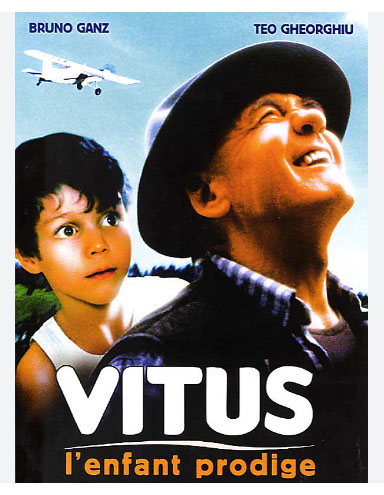
Vitus
Synopsis
Vitus is an extraordinary young boy blessed with prodigious piano genius and an IQ that far exceeds his years. Burdened by his ambitious parents' high expectations for his academic and musical future, he longs for a normal childhood. With the loving guidance of his eccentric grandfather, Vitus learns to navigate his unique gifts while secretly plotting a path toward personal freedom. Through clever financial maneuvers and independence, he ultimately finds a way to embrace both his extraordinary talent and his own desires.
The Making of the Film
Director Fredi M. Murer conceived the drama as an affectionate exploration of childhood genius, family pressure, and individual autonomy. The production was inspired by Swiss cultural traditions and the unique challenges faced by exceptionally gifted children in modern society. Filmmakers sought to blend classical piano music with a heartwarming narrative about intergenerational bonding. The project was designed to be an inspiring international arthouse success.
Critical Reception
Critics offered widespread critical acclaim, praising young prodigy Teo Gheorgescu's astonishing piano performances and Bruno Ganz's wonderful supporting turn as the grandfather. Reviewers commended Murer's sensitive direction, which avoids overly saccharine tropes in favor of witty, intelligent family drama. Some critics noted that the financial plotting felt somewhat far-fetched, yet lauded its overall charm and emotional resonance. It emerged as an international art-house darling.
Audiences embraced the movie with immense enthusiasm, falling in love with the precocious young pianist and his heartwarming bond with his grandfather. Viewers found the classical musical sequences and the witty rebellion against parental pressure deeply entertaining. The film enjoyed successful international theatrical runs and warm film-festival receptions. Many praised it as an uplifting and intelligent family film.
The film achieved major recognition, winning numerous international audience awards and serving as Switzerland's official submission for Academy Award consideration. Bruno Ganz's performance earned warm praise across European film festivals. The project successfully secured its legacy as a beloved Swiss cinematic triumph.
Behind-the-Scenes Stories
Director Fredi M. Murer spent years developing the screenplay, wanting to ensure the musical performances looked and sounded completely authentic. He cast real-life piano prodigy Teo Gheorgescu in the title role, allowing the young musician to perform all complex classical pieces live on camera. The production team collaborated with classical music experts to stage the concert sequences with professional precision.
Shooting intricate piano concert scenes across Swiss concert halls required meticulous sound recording and camera choreography. Managing a child actor through demanding shooting schedules demanded careful patience from the crew. Maintaining a warm, whimsical visual palette required careful cinematography planning.
During the recording of the grand piano solos, Teo Gheorgescu performed with astonishing emotional maturity, captivating the crew between takes. Bruno Ganz brought profound warmth and improvised humor to his scenes with the young actor. These practical efforts added genuine heart to the drama.
Teo Gheorgescu and Bruno Ganz led the cast as Vitus and his grandfather, supported by Julika Jenkins and Urs Jucker. The casting process focused on finding a genuine musical prodigy. The resulting ensemble delivered fantastic dramatic chemistry.
Themes Explored
The film explores childhood giftedness, family expectations, intergenerational friendship, financial independence, and personal freedom. It examines how extraordinary talent can become a burden when parents project their own unfulfilled ambitions onto children. The narrative ultimately champions self-determination over forced conformity.
Ending Explained
Vitus uses his secret stock market earnings to secure financial independence for his family and buys back his grandfather's beloved woodworking shop, ensuring everyone is taken care of on his own terms. He continues to play the piano purely for the joy of music rather than as a competitive circus act, finding peace and balance. His parents finally understand and respect his autonomy. The ending offers a deeply satisfying, heartwarming resolution to the prodigy's journey.
Meaning of the Title
The title "Vitus" directly names the extraordinary young protagonist whose prodigious genius and independent spirit drive the entire narrative. It symbolizes uniqueness, brilliance, and self-reliance. The concise title sets an intimate character-driven tone.
Original Soundtrack
Composed by Mario Beretta and featuring breathtaking classical piano performances by Teo Gheorgescu playing works by Bach, Schumann, and Rachmaninoff, the soundtrack is an absolute musical triumph. The soaring classical arrangements elevate the emotional milestones of the film, delighting music lovers.
Latest News
- The film remains a celebrated international art-house favorite cherished for its brilliant classical piano performances and heartwarming grandfather-grandson bond.
Similar Films
Fans of uplifting dramas about exceptional youth will enjoy Billy Elliot (2000), Searching for Bobby Fischer (1993), Good Will Hunting (1997), and Amadeus (1984), all exploring genius.