

 Français
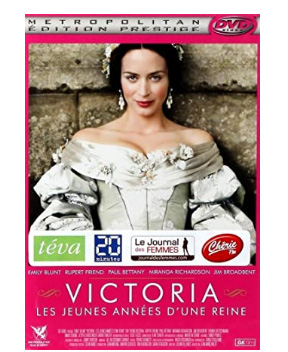
Victoria: The Young Years of a Queen
Synopsis
This lavish historical drama chronicles the turbulent early reign and romance of Queen Victoria of the United Kingdom, from her ascension to the throne at age eighteen to her marriage to Prince Albert. Navigating the treacherous political machinations of court advisors and Prime Ministers, the young queen fights to assert her independence and authority. Amidst political strife and court intrigue, her burgeoning relationship with her German cousin blossoms into a profound partnership of love and mutual respect. It is a visually stunning tale of duty, romance, and the forging of an empire.
The Making of the Film
The film originated from a desire to portray the lesser-known, vibrant youth of one of Britain's most iconic monarchs rather than her later Victorian widowhood. The filmmakers sought to create a visually sumptuous historical romance that highlighted her political awakening and personal resilience. Inspiration was drawn from royal diaries, historical archives, and detailed biographies chronicling her ascension to power. The creative team aimed to craft an immersive period piece that balanced grand political maneuvering with intimate emotional storytelling.
Critical Reception
Critics offered widespread praise for the film's breathtaking costume design, opulent cinematography, and meticulous historical art direction. Reviewers noted that the lead performance successfully captured both the youthful vulnerability and the stubborn determination of the young monarch. While some felt the narrative occasionally leaned into conventional historical romance tropes, the vibrant energy and emotional sincerity kept audiences engaged. The depiction of the political chess match between the queen and her advisors received particular acclaim for its sharp pacing.
General audiences embraced the film warmly, particularly admirers of traditional historical dramas and royal biographies. Viewers commended the undeniable chemistry between the lead actors portraying Victoria and Albert, which anchored the emotional core of the narrative. The stunning European locations and authentic palace interiors provided a feast for the eyes that sustained strong home video interest. It was widely appreciated as a refreshing, uplifting counter-balance to darker historical cinema.
Awards season brought well-deserved recognition to the production's artistic departments, most notably securing an Academy Award for Best Costume Design. The elaborate gowns and period-accurate court attire were celebrated across international film ceremonies for their historical precision and beauty. Additionally, the art direction and set decoration teams earned guild nominations for transforming historic European castles into convincing Victorian backdrops. These accolades cemented its status as a triumph of historical aesthetics.
Behind-the-Scenes Stories
The director drew inspiration from 19th-century oil paintings and royal portraiture to establish the lush, golden-hued visual style of the court sequences. Every costume and interior set was designed to reflect the political shifts and emotional states of the young queen throughout her early reign. The production team gained special access to historic British palaces and European castles, allowing for unprecedented visual authenticity. These choices created a deeply immersive environment that transported viewers directly into the heart of the royal court.
Production faced intricate logistical hurdles when coordinating massive crowd scenes and elaborate royal coronation reenactments across multiple historical heritage sites. The wardrobe department had to handcraft dozens of intricate silk gowns and military uniforms under tight deadlines to ensure historical accuracy. Actors underwent extensive etiquette, horseback riding, and ballroom dancing training to convincingly portray elite 19th-century aristocracy. Furthermore, managing unpredictable weather during outdoor castle courtyard shoots required constant schedule adjustments from the assistant directors.
During the filming of the dramatic assassination attempt scene, the lead actress performed her own carriage stunts under tightly controlled safety protocols. To capture genuine tension, the director utilized dynamic hand-held camera movements amidst swirling smoke and shouting crowds. The crew worked tirelessly with pyrotechnic experts to ensure period gunpowder effects looked authentic without endangering the historical landmarks. This dedication resulted in a thrilling sequence that highlighted the physical danger of the young monarch's early days.
Casting focused on finding youthful, classically trained British and European actors who could project royal authority combined with genuine emotional vulnerability. The lead actress was chosen for her ability to convey fierce independence beneath a delicate royal exterior. Supporting roles featured acclaimed stage veterans who anchored the political intrigue with gravitas and sophisticated charm. This thoughtful casting process created a harmonious ensemble that breathed life into historical figures.
Themes Explored
The narrative deeply explores themes of duty, sovereignty, and the heavy burden of leadership thrust upon youth. It examines the struggle for personal autonomy within a rigid, patriarchal political establishment. Additionally, it highlights the transformative power of true love and intellectual partnership as a stabilizing force in governance. Ultimately, the film reflects on growth, resilience, and the shaping of a legendary national identity.
Ending Explained
The story concludes with Victoria successfully asserting her political independence and fully embracing her marriage to Prince Albert as an equal governing partner. As they look out over the cheering crowds, the final scene symbolizes the dawn of a strong, harmonious reign that would define an entire era. This optimistic resolution celebrates personal fulfillment and regal duty working in perfect tandem.
Meaning of the Title
The title directly denotes the biographical focus on the formative years of Queen Victoria prior to her long period of imperial maturity.
Similar Films
Films sharing similar historical romance and royal themes include Elizabeth (1998), The Young Victoria (2009), and The Favourite (2018).