

 Français
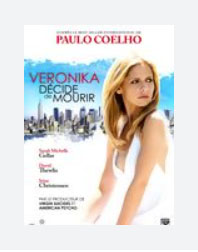
Veronika Decides to Die
Synopsis
Veronika appears to have an enviable life with a good job, a nice apartment, and romantic prospects, but beneath the surface, she feels her existence is completely devoid of passion and meaning. Consumed by quiet despair, she decides to commit suicide by taking an intentional overdose of sleeping pills in her pristine apartment. However, her suicide attempt is interrupted, and she wakes up in a renowned mental institution in Ljubljana, Slovenia. There, her severe medical prognosis reveals that her heart was permanently damaged by the overdose, giving her only a few days left to live. Stripped of her mundane daily routine and facing imminent mortality, Veronika experiences an unexpected awakening, forming intense bonds with fellow psychiatric patients and discovering profound reasons to live.
The Making of the Film
Adapted from Paulo Coelho's internationally acclaimed bestselling philosophical novel of the same name, this drama was produced to explore the fragile boundary between sanity, despair, and the awakening of life. Screenwriters adapted the Brazilian novel, shifting the primary setting to the picturesque landscape of Slovenia to capture the quiet, contemplative tone of Coelho's literary exploration of mental health. Principal photography took place across historic locations, utilizing real psychiatric hospital aesthetics and tranquil alpine backdrops to evoke emotional depth. The filmmakers wanted to honor the philosophical weight of the source material while delivering an intimate cinematic narrative.
Critical Reception
Critics gave the film mixed reviews, praising its dedicated, vulnerable lead performances and stunning cinematography, while critiquing its heavy-handed philosophical dialogue and predictable dramatic beats. Reviewers highlighted the emotional resonance of the protagonist's awakening as she faces terminal mortality. Commentators noted that translating Coelho's mystical prose into a grounded cinematic narrative proved challenging for the screenwriters. Still, fans of the novel appreciated the earnest translation of its core existential themes.
Audiences responded with warm appreciation, welcoming the thoughtful independent dramatic cinema and its uplifting message regarding mental health awareness, gratitude, and appreciating everyday life. Fan communities shared heartfelt discussions about the film's poignant existential quotes and the tranquil Slovenian mountain scenery. Viewers praised the gentle emotional pacing and the sincerity of the character transformations.
While independent philosophical dramas rarely compete in major commercial box office circles, the picture found a dedicated audience on digital streaming and home video platforms. Industry analysts viewed it as a respectable literary adaptation. Critics' circles commended the emotional commitment of the cast and the gentle directorial touch. It remains a touching exploration of mental awakening.
Behind-the-Scenes Stories
Directors and producers were drawn to the project because it offered a profound opportunity to destigmatize mental health treatment and explore how facing death can finally teach someone how to truly live. Cast members spent months preparing for emotionally draining roles, consulting with psychiatric professionals and trauma counselors to portray clinical depression and recovery with absolute respect. The production crew worked closely with cinematographers to use desaturated color grading that slowly blooms with vibrant color as the protagonist awakens.
Production faced unique logistical hurdles coordinating international shooting schedules between urban scenes and tranquil alpine sanatoriums. The art department built clinical hospital interiors that felt sterile yet subtly comforting. Costume designers transitioned characters from drab, lifeless office wear into soft, expressive clothing as their emotional awakenings progressed. Sound designers layered gentle piano melodies and natural ambient sounds to enhance the introspective mood.
During the filming of delicate piano sequences inside the sanatorium common room, actors performed basic fingering while professional pianists played off-camera, creating a genuine, quiet emotional atmosphere. The prop department manufactured vintage medical charts and classical sheet music. Cameras utilized soft focus lenses to evoke a dreamlike state.
Casting brought star power and intense independent drama experience to the ensemble, featuring dedicated lead performances alongside brooding intensity from supporting cast members as catatonic fellow patients. Actors delivered understated wisdom representing the institution's compassionate psychiatric staff, rounding out the production with powerful supporting grace.
Themes Explored
Existential despair, the illusion of societal normalcy, and the search for genuine passion form the central philosophical pillars of the story. Mental health awareness, institutional care, and breaking the social stigma surrounding psychiatric treatment are addressed with empathy. Facing terminal mortality as a catalyst for living fully in the present moment drives the narrative awakening. Additionally, unconventional human connections heal isolated souls.
Ending Explained
Following days of profound emotional exploration, forbidden piano performances, and falling in love, the protagonist discovers the stunning final truth: the doctor fabricated her terminal heart damage as an experimental psychological treatment designed to shock her out of her suicidal depression by forcing her to feel the absolute value of living. Realizing she is not actually dying, she feels no anger, but rather profound gratitude for the intense weeks of passion and clarity she experienced. Escaping the hospital quietly into the sunrise, she chooses a completely new, authentic path of freedom. The uplifting final shots celebrate life's fragile beauty. The heartwarming conclusion leaves all existential doubts resolved.
Meaning of the Title
Refers directly to the protagonist's deliberate initial choice to end her life, which paradoxically leads her to discover how to truly live.
Original Soundtrack
A delicate, reflective orchestral and piano score composed to evoke quiet introspection, sorrow, and eventual spiritual awakening.
Similar Films
Girl, Interrupted, The Shawshank Redemption, Dead Poets Society, As Good as It Gets, Sylvia.