

 Français
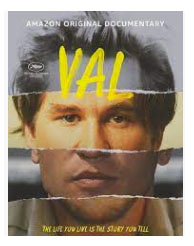
Val
Synopsis
This deeply moving, critically acclaimed biographical documentary film chronicles the extraordinary life, career, and artistic evolution of legendary Hollywood actor Val Kilmer, constructed entirely through thousands of hours of rare, never-before-seen home video footage, personal archives, and behind-the-scenes recordings that Kilmer shot himself over the course of forty years. Following Kilmer as he battles throat cancer and adjusts to speaking through a voice box following a tracheotomy, the documentary explores his meteoric rise to fame in blockbuster hits like 'Top Gun', 'Batman Forever', and 'Tombstone', contrasted with his notorious reputation for perfectionism and intensity on set. It is a stunning, deeply intimate self-portrait of an artist.
The Making of the Film
The project originated from directors Leo Scott and Ting Poo discovering the massive, staggering vault of personal videotapes that Val Kilmer had kept and recorded throughout his entire life, spanning his childhood home movies, Juilliard theater training days, and blockbuster movie sets. Kilmer, who was struggling with the devastating aftereffects of throat cancer treatment, actively partnered with Scott and Poo to co-produce and shape the documentary into an unfiltered, deeply personal reflection on his legacy. Inspiration was drawn from Kilmer's personal journals, home video archives, and autobiographical stage shows. The creative team aimed to produce an uncompromised artistic masterpiece.
Critical Reception
Critics offered widespread, rapturous acclaim, praising the film's staggering visual archives, profound emotional vulnerability, and Val Kilmer's courageous refusal to sugarcoat his triumphs and struggles. Reviewers noted that directors Scott and Poo successfully transformed thousands of hours of raw home videos into a poetic, haunting meditation on fame, mortality, and artistic obsession. Kilmer's brave, unfiltered narration delivered through his son Jack Kilmer received universal applause as an extraordinary emotional touchstone. It was immediately recognized as a triumph of documentary filmmaking.
Audience reception was deeply moved and emotionally overwhelmed, driving the film to strong critical acclaim and winning prestigious recognition across film festivals worldwide, including the Cannes Film Festival. Viewers on public platforms praised the rare behind-the-scenes footage from 'Top Gun' and 'Tombstone', the heartbreaking medical struggles, and the enduring passion for art. Fans of Val Kilmer celebrated his legendary cinematic contributions. Word-of-mouth sustained strong long-term prestige.
Awards season brought major triumph, securing a Critics' Choice Documentary Award nomination and widespread praise from international film critic associations. Critics' associations praised the film for redefining the biographical documentary genre through intimate self-reflection. These accolades cemented its status as a premier masterpiece of modern documentary cinema.
Behind-the-Scenes Stories
The directors drew visual inspiration from home video aesthetics, personal diary formats, and archival documentary framing to establish a deeply intimate aesthetic. Every piece of footage—from amateur short films shot with his brothers in childhood to backstage clips with Marlon Brando on 'The Island of Dr. Moreau'—was lovingly digitized and organized to tell a cohesive artistic journey. The production team collaborated closely with Kilmer and his children, Mercedes and Jack, to ensure that his voice and perspective guided every editorial choice. These artistic choices created an authentic self-portrait world.
Production presented fascinating logistical and technical hurdles, requiring directors Leo Scott and Ting Poo to sift through hundreds of boxes of deteriorating VHS tapes, 16mm film reels, and digital hard drives spanning four decades of Kilmer's life. Because Val Kilmer's voice was severely altered by throat cancer surgeries, his son Jack Kilmer recorded the narration reading his father's written words with uncanny emotional accuracy. Furthermore, maintaining strict emotional honesty without hiding Kilmer's professional friction on movie sets demanded obsessive editorial courage.
During the editing of the heartbreaking medical and theater monologue sequences, the filmmakers utilized soft home-movie lighting and ambient audio to accentuate the personal mood. This rigorous dedication resulted in immortal documentary moments.
Casting was anchored by featuring legendary actor Val Kilmer as the narrator and subject, alongside his son Jack Kilmer voicing his diary entries. Supporting roles featured archival footage of co-stars Tom Cruise, Kurt Russell, Marlon Brando, and Michael Douglas. This star-studded archival casting strategy was the absolute heartbeat of the film's emotional success.
Themes Explored
The narrative deeply explores themes of artistic obsession, the crushing price of Hollywood fame, and finding peace after losing one's physical voice. It examines mortality, legacy, and the cathartic power of documenting one's life through a camera lens. Additionally, it highlights fatherhood, theatrical passion, and survival against severe illness. Ultimately, the film reflects on art, sorrow, and the eternal spirit of a true creative soul.
Ending Explained
Val reflects on his mortality and his immense pride in his artistic legacy, expressing profound gratitude for his children and the extraordinary life he lived while gazing warmly into the camera lens with quiet acceptance. In the final poignant montage, Kilmer is shown attending a fan convention where he signs autographs and connects lovingly with admirers despite his speech limitations. The moving conclusion celebrates eternal artistic immortality and grace.
Meaning of the Title
The title directly references the first name of the legendary subject and icon featured in the documentary ("Val").
Similar Films
Films sharing similar intimate biographical documentaries, artistic self-portraits, and Hollywood legacy themes include Robin Williams: Come Inside My Mind (2018), Jodorowsky's Dune (2013), and Amy (2015).