

 Français
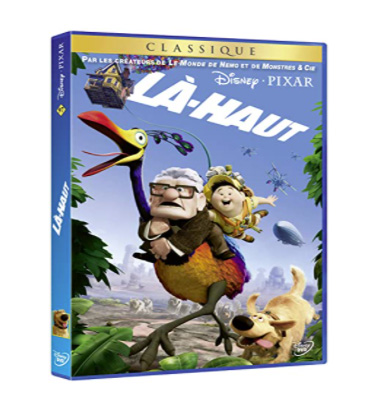
Up
Synopsis
An elderly, grieving widower named Carl Fredricksen decides to fulfill a lifelong promise made to his late wife by tying thousands of colorful balloons to his house and floating away to the wilds of South America. His peaceful retirement escape is suddenly upended when he discovers an eager, overenthusiastic eight-year-old wilderness explorer stowaway hiding on his porch. Together, they embark on a hilarious and perilous jungle adventure encountering talking dogs, exotic birds, and a villainous childhood idol. This Pixar animated masterpiece celebrates adventure, grief, and unexpected companionship.
The Making of the Film
The genesis of Up came from co-directors Pete Docter and Bob Peterson's shared desire to escape from the pressures of modern life and daydream about floating away from society entirely. The creative team wanted to pair a cranky, elderly protagonist with an innocent child to explore how grief can isolate a person and how human connection can heal old wounds. Story developers drew inspiration from classic adventure literature and real-life exploration films. Pixar spent years perfecting the complex digital physics required to animate thousands of individual balloons lifting a suburban house.
Critical Reception
Professional critics gave universal critical acclaim to Up, praising its emotionally devastating opening montage, witty humor, stunning visual artistry, and heartwarming narrative. Reviewers lauded Pixar for crafting a profound meditation on aging, love, and loss that resonated deeply with audiences of all ages. The public response was a massive worldwide box office triumph, establishing the film as one of the studio's most beloved cultural touchstones. Audiences wept openly during the opening minutes and cheered throughout the colorful jungle adventure. The film received five Academy Award nominations, winning two: Best Animated Feature and Best Original Score.
Filming Anecdotes
Director Pete Docter drew heavy inspiration from classic adventure films, National Geographic expeditions, and personal observations of aging family members. Production involved sending Pixar animation teams on a research trip to the tepuis tabletop mountains of Venezuela to study the unique flora, fauna, and dramatic cliff landscapes. During the voice recording sessions, veteran actor Ed Asner brought extraordinary grumpy charm and emotional vulnerability to his role as Carl Fredricksen. Before the final script was locked in, the floating house concept underwent several story iterations regarding why Carl was flying to South America.
Main Themes
The film explores profound themes of grief, love, letting go of the past, adventure, and unexpected intergenerational friendship. It highlights how true adventure is not found in grand remote destinations, but in the quiet, everyday moments shared with loved ones. Furthermore, it champions kindness and loyalty.
Ending Explanation
The climax resolves the jungle confrontation when Carl Fredricksen lets go of his lifelong attachment to his old house—allowing it to slide down a cliff so he can rescue Russell and the rare bird Kevin from the villainous Charles Muntz. Having defeated the villain and saved his new friends, Carl returns home to suburban life, officially awarding Russell his final wilderness explorer badge by pinning a grape soda cap onto his shirt. Carl finds peace, embracing his new surrogate grandson and discovering that life still holds wonderful adventures. The film ends on a heartwarming note of shared ice cream and porch-sitting.
Title Significance
The title carries multiple meanings, referring literally to the house lifting up into the sky with balloons and metaphorically to the emotional uplift Carl experiences as he heals from grief.
The film features a magnificent, Oscar-winning musical score composed by Michael Giacchino that captures the emotional peaks of love, loss, and soaring adventure.
NULL
WALL-E, Toy Story 3, Inside Out, Finding Nemo