

 Français
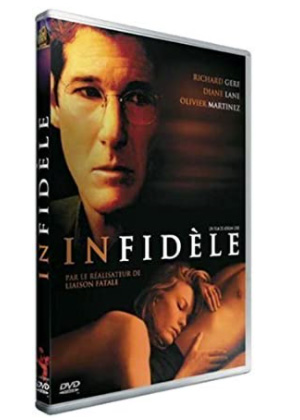
Unfaithful
Synopsis
Edward and Connie Sumner live a seemingly idyllic suburban life in New York with their young son, Charlie, sharing a comfortable, prosperous marriage. However, their routine is upended when Connie has a chance, passionate encounter in Manhattan with Paul Martel, a handsome young book dealer. What begins as an accidental meeting quickly escalates into a consuming, secretive affair that consumes Connie's every waking moment. When Edward discovers the betrayal through a private investigator, jealousy and rage consume him, leading to a tragic confrontation that shatters their family forever.
The Making of the Film
Director Adrian Lyne sought to create a deeply psychological exploration of marital infidelity, passion, and moral consequence, inspired by Claude Chabrol's classic 1969 French thriller La Femme infidèle. He wanted to examine how a seemingly perfect marriage could unravel rapidly due to an impulsive transgression and the overwhelming guilt that follows. The production focused heavily on intimate character dynamics, evocative New York cinematography, and palpable sexual tension. Lyne worked closely with his actors to navigate the complex emotional fallout of betrayal.
Critical Reception
Professional critics greeted the film with generally positive reviews, praising Adrian Lyne's stylish direction, moody atmosphere, and the intense psychological depth of the narrative. Reviewers reserved special acclaim for Diane Lane's powerhouse performance, noting that she brilliantly captured the dizzying rush of new passion followed by crushing guilt and dread. Some critics felt the second half leaned into melodramatic thriller territory, but overall commended the picture for treating a mature subject with adult sophistication.
The public reception was strong, making it a box office success and generating widespread discussion regarding fidelity, marriage, and moral choice. Audiences were captivated by the smoldering chemistry between Diane Lane and Olivier Martinez, as well as Richard Gere's heartbreaking portrayal of a betrayed husband. It remains a definitive psychological drama of the 2000s.
The film garnered significant critical awards attention, most notably earning Diane Lane an Academy Award nomination for Best Actress, along with Golden Globe and Screen Actors Guild nominations. Her mesmerizing performance was widely celebrated as a career-defining milestone.
Shooting Anecdotes
Director Adrian Lyne drew inspiration from classic European psychological thrillers and French cinema, emphasizing lingering close-ups, moody lighting, and tactile sensory details to convey emotional states.
Production required delicate emotional preparation from the lead actors, who spent extensive rehearsal time building trust before tackling the intense romantic and dramatic confrontation scenes.
A pivotal, emotionally draining scene where Connie sits on a train ride home reliving her passionate encounter required dozens of subtle facial variations to convey her swirling internal conflict without spoken dialogue.
Before Diane Lane was cast in the career-defining role of Connie, several other high-profile Hollywood actresses were considered for the part before director Adrian Lyne championed Lane for her raw emotional authenticity.
Thematic Exploration
Marital betrayal, the destructive nature of secrets, guilt, obsession, and the fragility of suburban happiness.
Ending Explanation
After Edward accidentally kills Paul in a fit of rage and conceals the crime, Connie and Edward share a quiet, haunting final moment together in their car, realizing their life together is permanently altered as they contemplate turning themselves in to the authorities.
Title Significance
The title highlights the central betrayal of the marital vow, exploring how a single act of infidelity ripples outward to destroy multiple lives.
News
The film is celebrated as a high-water mark for adult psychological dramas of the 2000s, largely remembered for Diane Lane's Oscar-nominated performance.
Similar Films
Fatal Attraction, Match Point, Closer, A Perfect Murder