

 Français
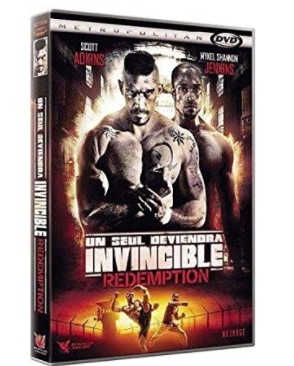
Undisputed III: Redemption
Synopsis
Broken in body and spirit following his devastating knee injury, former prison fighting champion Yuri Boyka is reduced to working menial cleaning jobs inside a maximum-security Russian prison. When a new international prison tournament is announced offering the ultimate prize of complete freedom, Boyka realizes this is his singular chance at redemption. Despite his physical handicap, he trains in secret to regain his explosive speed and power. Entering a tournament featuring the world's deadliest incarcerated fighters, Boyka must battle corruption, betrayal, and his own physical limitations.
The Making of the Film
Following the runaway success of the second film, director Isaac Florentine and star Scott Adkins were eager to continue exploring the redemption arc of Yuri Boyka. The filmmakers sought to elevate the stakes by expanding the scope from a single prison to an international tournament bringing together elite fighters from diverse cultural and martial arts backgrounds. The screenplay was designed to test Boyka's physical and moral fortitude to its absolute limits, transforming him into an honorable warrior fighting against corrupt promoters. This creative vision allowed the production to deliver a richer, more engaging narrative framework for its spectacular action set pieces.
Critical Reception
Upon its release, the film received glowing praise from martial arts film critics and action aficionados, who frequently hail it as the absolute peak of the entire franchise. Reviewers commended the flawless, lightning-fast fight choreography and the genuine emotional weight brought by Scott Adkins to his signature role. Audiences were thrilled by the diverse roster of formidable international opponents and the high-stakes tournament structure. The film achieved massive success in the home video market, solidifying its reputation as a modern masterwork of low-budget action cinema.
Anecdotes_tournage
Scott Adkins performed his demanding martial arts routines despite still dealing with lingering physical fatigue from previous intense physical roles. The production brought together an extraordinary roster of international martial artists and stunt performers, including Marko Zaror, to ensure every fight featured authentic, top-tier combat skills. Director Isaac Florentine employed fast-paced editing and dynamic camera angles to capture the blistering speed of the kicks and strikes without losing spatial clarity. The gritty prison sets were specifically chosen to convey a sense of hopeless isolation, making Boyka's arduous climb back to glory feel truly earned.
Themes Explored
The film explores the themes of honor among warriors, personal resilience, and the possibility of redemption after committing grave moral wrongs. It critiques systemic corruption, exploitation, and greed within the international sports and prison administration networks. Furthermore, it highlights the universal respect that develops between fierce competitors who share absolute dedication to their craft.
Explication_fin
In the climactic championship bout against the ruthless South American fighter Dolor, Boyka overcomes a deliberate knee attack by utilizing his ingenuity and sheer willpower to secure a decisive victory. Following the tournament, the corrupt promoters attempt to execute Boyka and his co-competitor Turbo, but Turbo orchestrates a daring escape that leaves Boyka free at last. In the final memorable scene, a smiling Boyka walks into the sunlight a completely free man, having achieved both his liberty and ultimate spiritual redemption.
Meaning of the Title
The English title Undisputed III: Redemption encapsulates both the continuity of the franchise and the core spiritual transformation of its protagonist. The subtitle Redemption highlights Boyka's primary motivation throughout the story: wiping away his past shame and reclaiming his dignity through honorable combat. It elevates the action narrative into a profound personal journey of self-forgiveness.
Undisputed II: Last Man Standing, Bloodsport, Lionheart, The Quest