

 Français
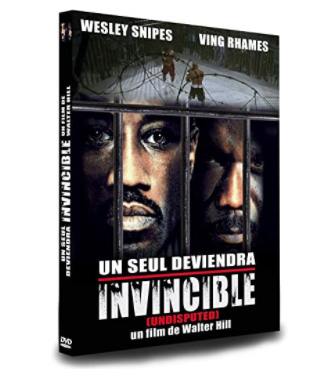
Undisputed
Synopsis
When heavyweight boxing champion George 'Iceman' Chambers is convicted of rape and sentenced to a maximum-security penitentiary, he expects to rule the prison yard just as he ruled the professional ring. However, he encounters Monroe Hutchens, a stoic, long-serving inmate who is the undisputed heavyweight champion of the prison's clandestine underground boxing circuit. Fuelled by massive egos and fierce institutional pride, a collision course is set between the two alpha males. The prison authorities orchestrate a high-stakes sanctioned showdown to settle who is truly the greatest fighter.
The Making of the Film
Director and co-writer Walter Hill conceived the project as a gritty modern prison drama inspired by the classic traditions of pulp fiction and traditional boxing cinema. Hill wanted to explore the psychological friction between institutionalized survival and professional athletic stardom within the confines of a maximum-security facility. The script underwent careful development to establish distinct, compelling motivations for both lead characters, avoiding simplistic hero-villain binaries. This thoughtful approach allowed the film to capture the tense, claustrophobic atmosphere of enclosed penal institutions.
Critical Reception
Upon its theatrical release, the film received mixed reviews from mainstream film critics, who found the plot somewhat conventional despite praising the solid performances of Wesley Snipes and Ving Rhames. Reviewers appreciated the muscular direction and visceral boxing sequences, though some felt the narrative lacked the emotional depth of classic boxing dramas. Audiences responded positively to the intense alpha-male rivalry and hard-hitting action, helping the film establish a dedicated fanbase. Over time, it gained significant appreciation as a sturdy, well-crafted entry in the prison-sports subgenre.
Behind-the-Scenes Stories
Wesley Snipes and Ving Rhames underwent extensive boxing training with professional coaches to ensure their footwork and punching mechanics appeared authentic inside the ring. Director Walter Hill utilized his trademark visual style, featuring tight close-ups and deliberate pacing to build mounting tension before explosive outbursts of violence. The production was filmed on location at a decommissioned prison, which provided a genuine, oppressive atmosphere that deeply influenced the actors' performances. During filming, the intense physical exchanges required rigorous choreography to ensure safety while maintaining brutal realism.
Themes Explored
The film examines toxic ego, pride, and the clash between institutional reputation and street-level reality. It explores how men find purpose, identity, and hierarchy in environments stripped of conventional societal freedoms. Furthermore, it touches upon corruption, exploitation, and the commercialization of prison labor and combat.
Explication_fin
In the tense climatic prison championship match, neither man achieves a definitive knockout, fighting to a grueling, exhausting draw that leaves their mutual respect fully intact. Rather than continuing their bitter rivalry, both fighters acknowledge each other's extraordinary skill, skill, and toughness inside the ring. In the final moments, Hutchens continues his quiet, dignified time while Chambers accepts his modified status, bringing a mature resolution to their fierce conflict.
Meaning of the Title
The English title Undisputed refers directly to the status of being an undefeated champion, a title fiercely contested both in the professional boxing world and the prison yard. It highlights the central ego-driven conflict of two men fighting for supreme dominance and recognition. The title establishes the high competitive stakes governing the narrative.
Cinderella Man, Raging Bull, Lock, Stock and Two Smoking Barrels, Con Air