

 Français
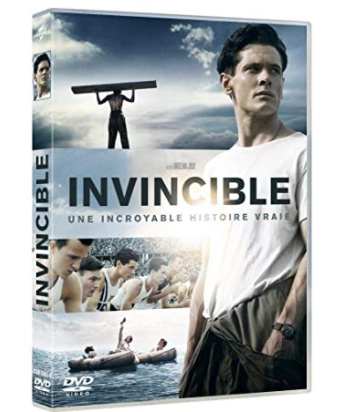
Unbroken
Synopsis
Based on an incredible true story, an Olympic track star turned American bombardier named Louis Zamperini survives a catastrophic military plane crash in the Pacific Ocean during World War II. After enduring forty-seven harrowing days adrift on a tiny inflatable raft with two surviving crewmates, they are captured by the Japanese navy and thrown into brutal prisoner-of-war camps. Subjected to relentless physical torture and psychological abuse by a sadistic camp guard known as "The Bird," Louis refuses to let his spirit be broken. This inspiring biographical drama celebrates survival, resilience, and forgiveness.
The Making of the Film
The concept for Unbroken was adapted from Laura Hillenbrand's critically acclaimed, bestselling 2010 non-fiction biographical book Unbroken: A World War II Story of Survival, Resilience, and Redemption. Producer Matthew Baer and director Angelina Jolie were deeply moved by Louis Zamperini's real-life perseverance and fought for years to bring his inspiring story to the screen. The production team collaborated closely with Zamperini himself prior to his passing during pre-production. Screenwriters Joel and Ethan Coen, Richard LaGravenese, and William Nicholson crafted a powerful script focusing on his wartime endurance.
Critical Reception
Professional critics gave mixed-to-positive reviews to Unbroken, praising its handsome cinematography by Roger Deakins, harrowing survival sequences, and Jack O'Connell's powerhouse lead performance while noting its conventional biographical pacing. Reviewers commended Jolie's ambitious direction in capturing the brutal physical toll of prisoner-of-war camps with unflinching gravity. The public response was a strong box office success worldwide, resonating deeply with audiences inspired by Zamperini's unbreakable courage. Audiences were captivated by the raft survival scenes and the intense psychological duel. The film received three Academy Award nominations for cinematography and sound engineering.
Filming Anecdotes
Director Angelina Jolie drew heavy inspiration from classic historical war epics, archival World War II footage, and Louis Zamperini's own personal memoirs of survival. Production involved grueling physical demands, with lead actor Jack O'Connell and the supporting cast undergoing severe weight loss regimens to authentically portray starving prisoners of war at sea and in camps. During the filming of the raft survival scenes on open water, the actors endured punishing sun and ocean swells. Before Jack O'Connell was cast as Louis Zamperini, several other young actors were evaluated during early casting searches.
Main Themes
The film explores profound themes of resilience, survival, human dignity, forgiveness, and the indomitable strength of the human spirit under torture. It highlights how holding onto hope and personal honor can sustain a person through unimaginable darkness. Additionally, it champions the transformative power of forgiveness over hatred.
Ending Explanation
The climax resolves the wartime torment when Japan surrenders in 1945, liberating Louis and his fellow emaciated prisoners from the brutal camp just as his primary tormentor flees into hiding. Returning home to America as a celebrated hero, Louis struggles with severe post-traumatic stress and a consuming thirst for vengeance until hearing a sermon by Billy Graham that inspires him to forgive his former captors. Finding inner peace, spiritual redemption, and true freedom, he returns to Japan years later to carry the Olympic torch in a gesture of ultimate reconciliation. The film ends on a triumphant note honoring his legacy of survival.
Title Significance
The title directly honors the protagonist's unbreakable willpower, physical endurance, and mental resilience in the face of insurmountable wartime atrocities.
NULL
NULL
Schindler's List, Hacksaw Ridge, The Railway Man, Bridge on the River Kwai