

 Français
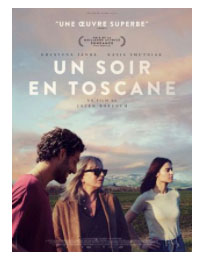
Dolce Fine Giornata
Synopsis
Set in a picturesque, tranquil village in the rolling hills of Tuscany, Maria Linde, an internationally celebrated Polish Jewish poet and Nobel laureate living in self-imposed Italian exile, spends her days surrounded by family, wine, and intellectual discussions. However, her peaceful artistic existence is rocked when she delivers a controversial, defiant public acceptance speech following a minor terrorist incident in Rome, refusing to surrender to populist fear and xenophobia. Her outspoken remarks alienate her conservative neighbors, spark fierce media backlash, and strain relationships within her family. The European drama film delivers intellectual provocation and picturesque Tuscan atmosphere.
The Making of the Film
Director and co-writer Jacek Borcuch developed the European art-house drama film, drawing inspiration from contemporary European political polarization, freedom of speech debates, and his own fascination with Tuscan expatriate life. The inspiration stemmed from exploring the moral responsibility of intellectuals during times of rising populist nationalism and social panic. The production team invested heavily in authentic Tuscan hillside villa location shoots, capturing gorgeous golden-hour lighting. The script was meticulously structured as a character study of a brilliant, stubborn iconoclast.
Critical Reception
Professional critics gave generally positive reviews, praising Krystyna Janda's towering, fierce lead performance as the Nobel-winning poet, gorgeous Tuscan cinematography, and its intellectually provocative script. Reviewers noted that Janda brought immense gravitas and uncompromising authenticity to her role, earning top acting honors at international festivals. Public reception was warmly enthusiastic across European arthouse cinema circuits. The film earned praise for its mature engagement with contemporary European socio-political anxieties.
Behind-the-Scenes Stories
Director Jacek Borcuch drew visual inspiration from classic European art-house cinema, Italian pastoral landscape painting, and intimate family dramas. Production took place on location across historic villas and rural villages in Tuscany, capturing authentic Italian summer atmospheres. During the filming of intense intellectual debate and family dinner sequences, lead actress Krystyna Janda maintained commanding dramatic presence. Borcuch fostered a collaborative, improvisational rehearsal atmosphere.
Themes Explored
The themes explored include freedom of expression, intellectual responsibility, European populism, family dynamics, artistic ego, and aging.
Ending Explained Ending Explained The poignant climax shows Maria facing professional ostracization and personal heartbreak with unbowed intellectual pride, standing firm in her controversial convictions.
Meaning of the TitleMeaning of the Title The original Polish title Słodki koniec dnia and Italian title Dolce fine giornata (Sweet End of the Day) refer ironically to the poet's tumultuous twilight years.
Original Soundtrack Daniel Bloom composed a subtle, atmospheric orchestral score featuring melancholic piano notes and acoustic guitar melodies that anchored the Tuscan sunshine.
Similar Films Certified Copy, The Great Beauty, Winter Sleep