

 Français
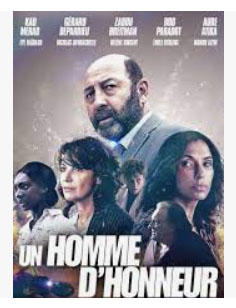
Mr. Death: The Rise and Fall of Fred A. Leuchter, Jr.
Synopsis
Chronicling the bizarre and controversial career of Fred A. Leuchter Jr., an American engineer who specialized in designing execution hardware such as electric chairs and lethal injection tables for state prisons, the documentary explores his dramatic downfall. Hired by Holocaust deniers in the late 1980s to author an pseudoscientific report claiming that no mass extermination gas chambers existed at Auschwitz, Leuchter traveled to Poland to collect forensic brick samples. His subsequent public defense of Holocaust denial during a Canadian trial ruined his professional reputation and ostracized him from mainstream society. The biographical documentary delivers chilling portraiture of self-delusion.
The Making of the Film
Director Errol Morris developed the biographical documentary, drawn to the eccentric, self-proclaimed execution expert Fred A. Leuchter Jr. and the psychological mechanics of denial and pseudoscience. The inspiration stemmed from exploring how an ordinary, seemingly harmless technician could become entangled in historical revisionism and fringe extremism. The production team invested heavily in signature Errol Morris interview setups, dramatic reenactments, and archival research. The script was meticulously structured as a hypnotic psychological inquiry.
Critical Reception
Professional critics widely acclaimed the documentary for its brilliant framing, haunting musical score by Philip Glass, and Errol Morris's unique, non-judgmental interviewing style. Reviewers lauded the film for exposing the chilling banality of pseudoscience and how an ordinary man rationalized his descent into infamy. Public reception was warmly enthusiastic among documentary film enthusiasts, cementing its status as a masterwork of investigative filmmaking. The film won numerous international film critic awards.
Behind-the-Scenes Stories
Director Errol Morris drew visual inspiration from his signature Interrotron camera setup, which allows interview subjects to look directly into the camera lens while talking to the director. Production took place across interview soundstages and archival research facilities in America. During the filming of intimate interview sessions, Fred A. Leuchter Jr. spoke with complete deadpan earnestness regarding his bizarre engineering claims. Morris maintained strict analytical distance.
Themes Explored
The themes explored include Holocaust denial, pseudoscience, self-delusion, the banality of evil, professional hubris, and historical truth.
Ending Explained Ending Explained The sobering documentary conclusion shows Leuchter remaining entirely unrepentant and isolated, clinging to his delusions despite universal scientific condemnation.
Meaning of the TitleMeaning of the Title The original title Mr. Death: The Rise and Fall of Fred A. Leuchter, Jr. and French translation Un homme d'honneur refer ironically to the protagonist's self-image as an honorable professional.
Original Soundtrack Philip Glass composed a mesmerizing, haunting minimalist orchestral score featuring hypnotic string arpeggios that anchored the psychological inquiry.
Similar Films The Thin Blue Line, Fog of War, Capturing the Friedmans