

 Français
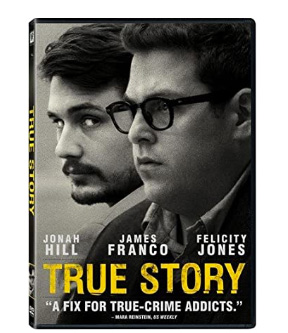
True Story
Synopsis
Following his sudden firing from The New York Times for fabricating a controversial investigative cover story about child labor in Africa, disgraced journalist Michael Finkel retreats to his rural Montana home in disgrace. His life takes a bizarre turn when he discovers that Christian Longo, a violent American fugitive hiding out in Mexico under an assumed identity, was captured carrying Finkel's own reporter notebook and using Finkel's name as an alias. Intrigued by the psychological mystery, Finkel visits Longo on death row, entering into a complex game of cat-and-mouse interviews where the convicted murderer offers his exclusive life story in exchange for journalism lessons. This tense psychological drama explores manipulation, narcissism, and truth in reporting.
The Making of the Film
Director Rupert Goold adapted the psychological drama from Michael Finkel's 2005 true-crime memoir True Story: Murder, Memoir, Mea Culpa. Producers Brad Pitt and Dede Gardner optioned the book through Plan B Entertainment, wanting to explore the dark, symbiotic psychological relationship between a disgraced journalist and a cunning killer. New Regency backed the prestige indie production. The project was designed as an intimate character study.
Critical Reception
Professional critics gave mixed reviews, praising the stellar acting performances of Jonah Hill and James Franco playing against type in serious dramatic roles, atmospheric tension, and psychological complexity. However, some reviewers noted that the narrative felt sluggish and cold in its emotional delivery. The film struggled at the box office.
Public reception was moderate, appealing primarily to true-crime enthusiasts and fans of dark psychological dramas. Audiences were captivated by the intense prison-room interview scenes and James Franco's unsettling deadpan stares. It carved out a respected reputation on streaming platforms.
Awards and recognition were absent due to its quiet indie release. Jonah Hill and James Franco earned praise from drama enthusiasts. The film remains a notable dramatic departure for its comedic leads.
Filming Anecdotes
- Inspirations: The director drew inspiration from real-life prison interview transcripts, classic journalistic ethics dilemmas, and psychological cat-and-mouse thrillers.
- Difficulties: Production challenges included maintaining psychological intensity and claustrophobic tension across lengthy, dialogue-heavy prison visiting-room table scenes shot over tight schedules in New York.
- Anecdote: A memorable anecdote involves Jonah Hill and James Franco meeting with the real-life Michael Finkel and studying Christian Longo's prison art and letters to prepare for their complex roles. Felicity Jones brought emotional grounding to her role as Finkel's supportive wife. The crew maintained a serious atmosphere.
- Casting: The casting process secured Jonah Hill to anchor the lead dramatic journalist role, alongside James Franco as the chilling fugitive Christian Longo, and Felicity Jones. The ensemble chemistry drove the psychological thriller.
Themes Explored
The themes explored include truth in journalism, narcissism, manipulation, guilt, and the pursuit of notoriety. The story examines how a disgraced reporter desperate for redemption can be easily manipulated by a cunning psychopath seeking an audience. It also highlights the blurred lines between fact and fiction.
Explanation of the Ending
The ending shows Michael Finkel publishing his tell-all book about the case, securing his journalistic comeback while realizing during his final death-row visit that Christian Longo manipulated him the entire time to control his own public legacy and secure attention. As Longo is executed by lethal injection, Finkel sits alone in his study reflecting on the fragile nature of truth. The film concludes on a chilling, ambiguous psychological note.
Title Significance
The title 'True Story' plays with heavy irony on the journalistic quest for factual truth versus the fabricated lies told by both the disgraced reporter and the convicted murderer. It is sleek and provocative. The name sets a psychological true-crime tone.
Original Soundtrack
Featuring a haunting, minimalist orchestral musical score composed by Marco Beltrami, the sonic landscape emphasizes cold prison isolation and psychological unease.
The film is frequently discussed in retrospectives analyzing true-crime dramas and comedic actors transitioning into dark dramatic roles.
Capote, Zodiac, Mindhunter, The Post