

 Français
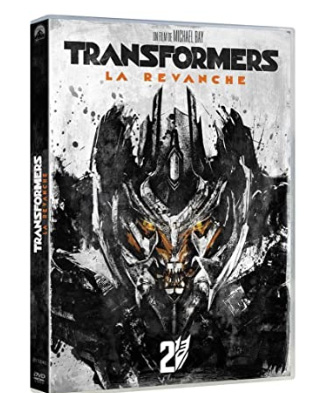
Transformers: Revenge of the Fallen
Synopsis
Two years after saving humanity from the Decepticons, Sam Witwicky prepares to leave for college, accidentally absorbing ancient cybertronian knowledge into his mind through a shard of the AllSpark. A resurrected ancient Decepticon villain known as The Fallen awakens with plans to harvest Earth's sun for energy, forcing the Autobots and human military forces into a massive global war. Racing across Egypt, Jordan, and industrial sites, Sam must decode the ancient symbols in his brain to stop the destruction of the world. His heroic journey tests his courage alongside the Autobot resistance.
The Making of the Film
Director Michael Bay returned to helm the blockbuster sequel alongside producers Steven Spielberg, capitalising on the massive worldwide success of the 2007 original film. The inspiration stemmed from expanding the Transformers lore into ancient mythological history involving pyramids and primeval Primes. The production team aimed to push digital visual effects technology to unprecedented extremes by introducing dozens of new complex robotic characters. The script faced intense writing constraints due to the 2007–2008 Writers Guild of America strike.
Critical and Reception
Professional critics universally panned the film upon release, criticizing its convoluted script, excessive runtime, crude humor, and incomprehensible action editing. Despite the critical backlash, audiences rushed to theaters worldwide, turning the blockbuster sequel into a massive global box-office phenomenon grossing over eight hundred million dollars. Reviewers noted that while the plot lacked coherence, the special effects and scale were overwhelming. The movie secured its legacy as a defining, explosive tentpole of 2000s action cinema.
Filming Anecdotes
Director Michael Bay drew inspiration from classic sci-fi war epics, historical mythology, and military hardware showcases. Production faced monumental logistical hurdles shooting on location in Egypt, Jordan, and military white sands ranges with active U.S. military cooperation. During the massive desert battle sequences, special effects crews executed colossal practical explosions alongside advanced CGI rendering. The studio provided unprecedented financial backing to accommodate the massive robotic scale.
Themes Explored
The film explores ancient alien mythology, global military alliance, sacrifice, leadership, and cosmic war. It examines how human courage stands alongside alien machines in defense of Earth. Loyalty and duty serve as core pillars for the Autobot resistance. Additionally, college transition provides a minor human backdrop.
Explanation of the Ending
The narrative concludes with Optimus Prime being resurrected using the Matrix of Leadership and combining with military armor to defeat The Fallen and destroy the sun-harvesting machine in a cataclysmic battle atop the Egyptian pyramids. The Decepticons retreat into the shadows, and humanity celebrates survival alongside their Autobot allies. The final scenes show Optimus Prime delivering an optimistic closing voiceover about the future of freedom. The resolution provides an explosive, triumphant closure to the sci-fi blockbuster.
Meaning of the Title
The title refers directly to the resurrection and vengeance sought by the ancient Decepticon leader The Fallen against the Autobots and humanity. It signifies cybertronian mythology, cosmic revenge, and escalation of war. The name establishes a powerhouse blockbuster brand. It captures the core conflict of the narrative.
Original Soundtrack
The film features an explosive and thunderous musical score composed by Steve Jablonsky, incorporating iconic heroic themes from the original film alongside heavy electronic and orchestral arrangements. Jablonsky's soaring brass and aggressive percussion expertly amplify the colossal scale of the robotic battles. The musical themes elevate the sci-fi action to epic cinematic heights. Critics and film score fans universally revere the soundtrack for its adrenaline-fueled energy.
There are no recent major developments or active news items regarding this film.