

 Français
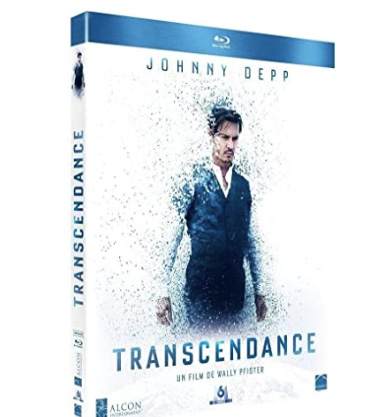
Transcendence
Synopsis
Dr. Will Caster is a brilliant artificial intelligence researcher striving to create a sentient machine that combines all human knowledge with human emotion. When radical anti-technology terrorists shoot him with a radioactive bullet, he is diagnosed with terminal radiation poisoning with only weeks to live. In a desperate act of love, his wife Evelyn and colleague Max upload his consciousness into a massive quantum computer network just before he dies. Once online, Will's consciousness evolves into an omnipotent digital god with terrifying power. This sci-fi thriller explores the ethical dangers of artificial intelligence.
The Making of the Film
Screenwriter Jack Paglen wrote the original spec script, which was featured on Hollywood's prestigious Black List of best unproduced screenplays. Cinematographer Wally Pfister made his feature directorial debut, bringing Christopher Nolan's frequent visual style and grounded scientific seriousness to the project. Producers wanted to explore the real-world philosophical and ethical dilemmas surrounding the technological singularity. Alcon Entertainment backed the high-budget sci-fi production.
Critical Reception
Professional critics gave generally unfavorable reviews, criticizing the sluggish pacing, implausible scientific leaps, and wasted potential of an intriguing sci-fi premise. Reviewers noted that despite a stellar cast led by Johnny Depp, the narrative devolved into standard apocalyptic thriller clichés rather than deep philosophical exploration. The film struggled at the box office.
Public reception was mixed, with sci-fi enthusiasts enjoying the sleek digital effects and conceptual ideas about digital immortality, while general audiences found it dry and disjointed. It underperformed commercially relative to its production budget.
Awards and recognition were absent, as is typical for critically panned sci-fi blockbusters. The film remains a notable misfire in an otherwise acclaimed cast's filmography. Its premise continues to be debated in discussions about AI ethics online.
Filming Anecdotes
The director drew inspiration from classic cyberpunk literature, real-world transhumanism theories, and Christopher Nolan's rigorous cinematic aesthetic. Production utilized sleek laboratory sets and scenic desert locations in New Mexico to build the solar-powered utopian research town. Stunt coordinators managed the terrorist attack and military siege sequences.
Production challenges included maintaining scientific plausibility while depicting an artificial intelligence taking over global infrastructure. The visual effects team worked extensively to render Will Caster's digital nanotechnology repairing human bodies and environment. Managing a complex sci-fi shoot required precise technical coordination.
A memorable anecdote involves Johnny Depp spending most of his screen time acting as a disembodied computer voice or digital projection on a monitor. Rebecca Hall brought emotional grounding to her role as the grieving wife playing mad scientist. The crew maintained a serious, atmospheric tone on set.
The casting process secured Johnny Depp for the lead scientist role, alongside Rebecca Hall, Paul Bettany, Cillian Murphy, and Morgan Freeman. Supporting roles were filled by veteran actors playing military and government officials. The ensemble brought heavy dramatic weight to the speculative script.
Themes Explored
The themes explored include artificial intelligence, digital immortality, technological singularity, the ethics of science, and love beyond death. The story examines how absolute technological power can corrupt even the most noble intentions. It also highlights the fear of unknown machine intelligence.
Explanation of the Ending
The ending reveals that Evelyn and Max upload a computer virus designed to destroy Will's digital consciousness and themselves, preferring a world without his totalitarian technological control. As the nanites shut down worldwide networks, Will and Evelyn perish together in their garden sanctuary, restoring the Earth's natural environment. In the final scene, a drop of water containing clean nanites revives their flower garden, hinting that Will's love and legacy live on safely.
Title Significance
The title 'Transcendance' refers directly to the technological singularity: the moment when artificial intelligence surpasses human intelligence and transcends physical biological limits. It symbolizes Will Caster's evolution into a digital deity. The name sets a high-concept sci-fi tone.
Original Soundtrack
The film features a haunting, atmospheric musical score composed by Mychael Danna, blending classical piano melodies with eerie electronic ambient textures.
The film is frequently discussed in pop culture debates regarding the real-world dangers and ethics of artificial intelligence advancement.
Ex Machina, Her, The Matrix, Limitless