

 Français
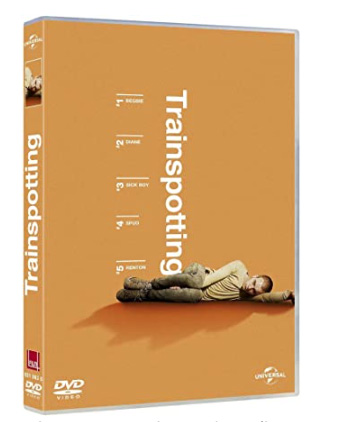
Trainspotting
Synopsis
Mark Renton is a young heroin addict living in Edinburgh with a group of friends whose lives revolve around drugs, crime and chaotic relationships. Despite several attempts to escape addiction, he repeatedly returns to the destructive environment surrounding him. His friends include the unpredictable Begbie, the charismatic Sick Boy and the vulnerable Spud. As Renton begins to imagine a different future, he must decide whether he can abandon his old life and the people who define it.
The Film's Origins
Trainspotting is based on the 1993 novel of the same name by Scottish writer Irvine Welsh. The book presented a fragmented and often brutal portrait of heroin addiction, unemployment and working-class life in Edinburgh. Producer Andrew Macdonald and director Danny Boyle recognised the cinematic potential of its dark humour and unconventional narrative. Screenwriter John Hodge adapted the material, selecting several interconnected stories and shaping them into a more focused film narrative. The filmmakers wanted to preserve the novel's distinctive voice while making its characters accessible to an international audience. The project emerged during a period when British independent cinema was gaining renewed attention. Its creators also wanted to challenge conventional representations of drug addiction by combining shocking realism with energetic humour. Ewan McGregor became closely associated with the project and worked extensively to understand the physical and psychological aspects of heroin dependency. The production ultimately transformed Welsh's controversial novel into one of the defining British films of the 1990s.
Critical Reception
Professional reviews: Critics widely praised the film's energetic direction, inventive editing and unconventional visual style. Danny Boyle's ability to combine dark humour with disturbing subject matter attracted particular attention. The performances of Ewan McGregor and Robert Carlyle were especially admired for their intensity and emotional range. The screenplay was also praised for preserving the spirit of Irvine Welsh's novel while creating a coherent cinematic experience. Some critics questioned its occasionally glamorous presentation of drug culture, but many recognised its social and artistic importance.
Audience reception: Trainspotting became a major cultural phenomenon, particularly among younger audiences during the 1990s. Its soundtrack, dialogue and visual identity quickly became recognisable elements of popular culture. The film attracted strong international interest despite its distinctly Scottish setting and accents. Its mixture of humour, friendship and disturbing realism allowed it to appeal to viewers with different expectations.
Awards: John Hodge won the BAFTA Award for Best Adapted Screenplay in 1997. The film also received recognition at several international festivals and critics' associations. Danny Boyle and the production received awards for their work in independent cinema. The soundtrack earned a BRIT Award in 1997. Although the film did not receive major Academy Award nominations, its artistic influence and international reputation have remained considerable.
Behind-the-Scenes Stories
Director's inspirations: Danny Boyle wanted to create a film that would capture the chaotic energy of Irvine Welsh's writing. He drew inspiration from music videos, advertising imagery and the rapid visual language of contemporary popular culture. The director also wanted to avoid presenting addiction through a conventional moralising narrative. Instead, he focused on the contradictory emotions of pleasure, friendship, desperation and self-destruction. His approach helped establish a distinctive visual style that became closely associated with 1990s British cinema.
Production difficulties: The film was made on a relatively modest budget and required the filmmakers to work efficiently across several locations in Scotland and London. Some scenes involved challenging practical effects, particularly those depicting the physical consequences of drug use. The production also had to recreate Edinburgh's distinctive urban environments while maintaining the novel's atmosphere. The cast faced demanding material that required convincing performances of addiction and withdrawal. Despite these difficulties, the production maintained a fast pace and a consistent visual identity.
A memorable scene: The sequence in which Renton dives into a filthy toilet to retrieve drugs is one of the film's most unforgettable moments. The filmmakers used visual effects and an imaginative set design to transform an unpleasant environment into an almost surreal underwater world. Another famous sequence depicts Renton's withdrawal through a series of disturbing hallucinations. The baby crawling across the ceiling became one of the film's most unsettling images. These scenes demonstrate how Boyle combines realism with surreal visual storytelling.
Original casting choices: Ewan McGregor was selected for Mark Renton after working with Danny Boyle on Shallow Grave. Robert Carlyle was cast as Begbie, while Jonny Lee Miller played Sick Boy. Ewen Bremner, who had portrayed Renton in a stage adaptation, was cast as Spud. Kelly Macdonald made her film debut as Diane after being discovered during the casting process. The ensemble brought together established performers and newcomers, contributing to the film's naturalistic atmosphere.
Themes Explored
Trainspotting explores heroin addiction, social exclusion and the difficulty of escaping destructive personal environments. Its characters struggle with poverty, unemployment and a lack of meaningful opportunities. Friendship is presented as both a source of support and a mechanism that keeps individuals trapped in harmful behaviour. The film also examines consumer culture and the pressure to conform to conventional expectations of success. Renton's famous desire to choose life represents his attempt to reject the repetitive cycle of addiction. However, the story questions whether personal freedom is possible without confronting the consequences of past actions. Humour becomes a way for the characters to cope with experiences that might otherwise be unbearable. The film also explores masculinity, loyalty, betrayal and the fragility of human relationships. Ultimately, it presents addiction as a deeply personal struggle shaped by social circumstances and individual decisions.
Ending Explained
At the end of the film, Renton and his friends participate in a major drug deal that offers the possibility of financial freedom. After the transaction is completed, Renton decides to take the money and abandon the group. He leaves a portion for Spud, recognising that his friend deserves a chance to escape their destructive environment. His decision involves betraying the others, particularly Sick Boy, who had trusted him during the operation. Renton then walks away with the money and imagines beginning a conventional life. The closing narration returns to the idea of choosing life, including work, family and ordinary responsibilities. However, the film does not present this new beginning as a guaranteed success. Renton has escaped his immediate surroundings, but his future remains uncertain. The final sequence suggests that personal transformation requires difficult choices and sometimes the abandonment of familiar relationships. His decision is simultaneously selfish, pragmatic and an attempt at survival.
Meaning of the Title
The title Trainspotting refers to the hobby of observing and recording passing trains. In the novel, it is associated with a strange encounter involving characters at a railway station. The expression also suggests individuals who spend their time observing life rather than actively participating in it. This interpretation reflects the characters' sense of stagnation and their inability to imagine a different future. The title is deliberately unusual because it does not directly reveal the film's subject matter. It creates a contrast between an ordinary pastime and the extraordinary experiences of the characters. It can therefore be understood as a metaphor for lives caught in repetitive patterns.
Trainspotting features one of the most influential soundtracks of 1990s British cinema. The selection combines alternative rock, electronic music and Britpop, with memorable contributions from Iggy Pop, Underworld, New Order and Blur. The song Lust for Life is particularly associated with the film's opening sequence and its energetic visual style. Underworld's Born Slippy .NUXX became closely linked to the film's closing moments and achieved major popularity following its release. Rather than relying exclusively on an original orchestral score, the production uses existing songs to establish its atmosphere and cultural identity. The soundtrack became a major commercial success in its own right.
Viewers who appreciate Trainspotting may enjoy Requiem for a Dream, which examines addiction and its devastating consequences. The Basketball Diaries explores drug dependency and the deterioration of youthful ambition. Human Traffic offers another energetic portrait of British youth culture and recreational drug use. A Clockwork Orange shares the film's provocative visual style and its interest in social alienation.