

 Français
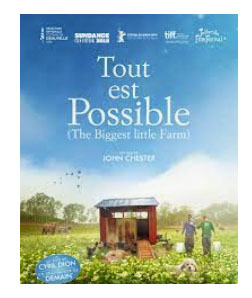
The Biggest Little Farm
Synopsis
Chronicling an inspiring, eight-year ecological odyssey, documentary filmmaker John Chester and his chef wife Molly leave their cramped Los Angeles apartment behind after adopting a rescue dog whose incessant barking prompts eviction. Driven by a bold, seemingly impossible dream to build a biodiverse sustainable organic farm from scratch, the couple purchases two hundred acres of severely depleted, drought-ridden farmland in Ventura County, California, naming it Apricot Lane Farms. Battling coyotes, insect plagues, soil erosion, and natural wildfires without chemical pesticides, they discover that nature possesses an innate regenerative wisdom when complex ecosystems are restored. The environmental documentary delivers breathtaking wildlife cinematography and emotional triumph.
The Making of the Film
Director and subject John Chester developed the intimate environmental documentary over eight grueling years, turning his professional documentary cameras toward his own ambitious agricultural experiment. The inspiration stemmed from wanting to prove that regenerative agriculture and complex biodiversity could successfully heal damaged industrial farmland without relying on chemical fertilizers. The production team invested heavily in continuous observational wildlife camera setups, timelapse photography, and aerial drone footage. The script was organically structured to mirror the farm's gradual ecological recovery season by season.
Critical Reception
Professional critics widely acclaimed the documentary as a breathtaking masterpiece, praising its stunning wildlife cinematography, profound ecological message, and emotional sincerity. Reviewers lauded Chester for crafting an uplifting environmental film that celebrated nature's complex interdependence rather than descending into pure climate doom. Public reception was overwhelmingly enthusiastic worldwide, winning numerous audience choice awards at international film festivals and becoming a global box-office hit for documentaries. The film earned widespread critical acclaim.
Behind-the-Scenes Stories
Director John Chester drew visual inspiration from natural history wildlife documentaries, agricultural science journals, and intimate home video diaries. Production took place exclusively across Apricot Lane Farms in Ventura County, California, capturing rare animal behaviors and seasonal crop cycles over nearly a decade. During the filming of intense predator-prey moments, Chester and his small crew maintained patient observational discipline. The farm's beloved mascot dog, Todd, starred throughout.
Themes Explored
The themes explored include regenerative agriculture, ecological biodiversity, sustainable farming, human relationship with nature, resilience, and climate hope.
Ending Explained Ending Explained The triumphant documentary conclusion shows Apricot Lane Farms thriving as a miraculous, self-sustaining ecosystem buzzing with wildlife, proving that ecological harmony is possible.
Meaning of the TitleMeaning of the Title The original title The Biggest Little Farm and French release translation Tout est possible refer affectionately to the small family farm's monumental ecological achievement.
Original Soundtrack Jeff Beal composed a soaring, magnificent orchestral score featuring gentle acoustic guitar and woodwinds that anchored the natural beauty of the California farm.
Similar Films Our Planet, Kiss the Ground, Biggest Little Farm: The Return