

 Français
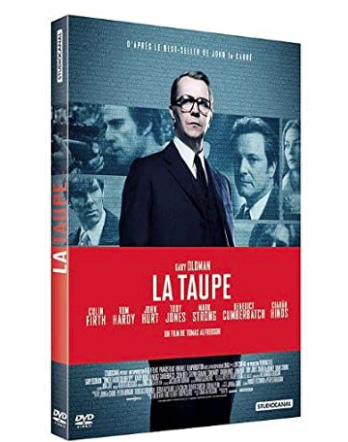
Tinker Tailor Soldier Spy
Synopsis
At the height of the Cold War in the 1970s, a high-ranking British intelligence official is forced out of retirement to uncover a suspected Soviet mole hidden at the top of MI6. Working in absolute secrecy alongside a trusted colleague, he sifts through decades of classified files and surveillance reports to track down the traitor. As the web of paranoia deepens, loyalties are tested and long-buried secrets threaten to unravel the agency. The tense psychological spy thriller offers a masterclass in slow-burn espionage and betrayal.
The Making of the Film
Director Tomas Alfredson adapted the film from John le Carré's classic 1974 espionage novel, drawing from the author's own real-life experiences working within British intelligence. The production sought to strip away the flashy, high-tech gadgets popularized by other spy franchises in favor of a gritty, bureaucratic, and authentic portrayal of cold-war paranoia. Screenwriters Bridget O'Connor and Peter Straughan meticulously condensed the dense novel into a taut cinematic narrative. The filmmakers focused on capturing the drab, muted aesthetics and oppressive atmosphere of 1970s London office spaces.
Critical Reception and Reviews
Professional critics widely acclaimed the film for its brilliant screenplay, immaculate period detail, and Gary Oldman's masterclass lead performance as George Smiley. Reviewers praised Tomas Alfredson's precise direction and the film's commitment to slow-burn psychological tension rather than explosions. Critics noted that the ensemble cast delivered uniformly exceptional work, elevating the complex web of espionage. Public reception was appreciative among discerning art-house and thriller enthusiasts worldwide. The film received three Academy Award nominations, including a Best Actor nod for Gary Oldman.
Filming Anecdotes
Director Tomas Alfredson drew visual inspiration from classic 1970s cold-war documentaries, archival photographs, and muted color palettes. Production required extensive historical research to authentically recreate the secret service headquarters and operational protocols of MI6. During the filming of tense interrogation scenes, the cast maintained a quiet, focused atmosphere on set to preserve the heavy psychological mood. Gary Oldman studied real intelligence operatives and consulted closely with John le Carré to understand the mannerisms of George Smiley.
Themes Explored
The film explores institutional paranoia, betrayal, the human cost of espionage, deception, and the loneliness of the cold-war bureaucratic lifestyle.
The intricate climax reveals that Bill Haydon is the Soviet mole, leading to his quiet capture and exposing the deep structural rot within the British intelligence agency.
Meaning of the Title
The title is derived from the nursery rhyme "Tinker, Tailor, Soldier, Sailor," which the British intelligence service used as a codename to classify their top-level suspects.
Original Soundtrack
Alberto Iglesias composed a haunting, melancholic orchestral score featuring evocative accordion melodies and tense strings that perfectly matched the cold-war mood.
The film remains celebrated as a definitive modern masterpiece of intelligent, grounded espionage cinema.
The Constant Gardener, Bridge of Spies, The Good Shepherd