

 Français
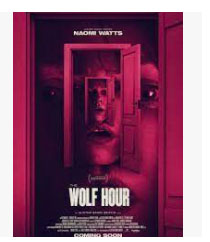
The Wolf Hour
Synopsis
The Wolf Hour follows June Leigh, a once-celebrated literary icon living a reclusive life in her cluttered South Bronx apartment during the sweltering, crime-ridden summer of 1977 in New York City. Haunted by past trauma and the oppressive social unrest exploding outside her windows, June becomes increasingly isolated as unseen tormentors begin harassing her from the outside. As the city descends into chaos during the infamous New York blackout, her grip on reality frays to its breaking point.
The Making of the Film
Writer-director Alistair Banks Griffin drew inspiration from the genuine social paranoia, economic decay, and intense heatwave that gripped New York City in the summer of 1977, particularly the Son of Sam killings and the historic blackout. The film was conceived as a claustrophobic psychological character study exploring isolation, creative block, and urban alienation. The production aimed to recreate the gritty, tactile texture of 1970s New York through authentic set design and period cinematography.
Critical Reception
Résumé des critiques professionnelles : Critics praised Naomi Watts' mesmerizing lead performance and the film's palpable, suffocating atmosphere of dread and paranoia. Reviewers noted that the movie successfully utilized a single-location setting to build psychological tension, though some felt the narrative was too ambiguous or slow-paced. The sound design was widely lauded for creating an immersive auditory nightmare of urban decay.
Réception du public : Audiences appreciated the film as a dark, atmospheric psychological thriller anchored by a powerhouse lead performance, though its slow burn and bleak tone required patience. Viewers fascinated by 1970s New York history enjoyed the authentic period detail and the tense depiction of agoraphobia and urban isolation.
Récompenses obtenues : While not a commercial blockbuster, the film received recognition at independent film festivals for its masterclass in atmospheric tension, cinematography, and Naomi Watts' commanding portrayal of psychological distress.
Behind-the-Scenes Stories
Inspirations du réalisateur : The director was inspired by classic psychological thrillers like Repulsion and Rear Window, translating those themes of isolation and paranoia into the specific historical and cultural melting pot of late-1970s New York.
Difficultés de production : Sustaining an intense, high-stress psychological atmosphere on a constrained set required intense concentration from the lead actress, who spent hours in isolation to maintain the character's mindset.
Anecdote sur une scène particulière : To capture the authentic feeling of oppressive summer heat in an unairconditioned apartment during the 1977 blackout, the production team utilized vintage incandescent lighting that generated genuine heat on set, adding physical discomfort to the actors' performances.
Casting initialement prévu : Naomi Watts was the director's first and only choice for June Leigh, having written the complex role specifically with her range of vulnerable intensity in mind.
Themes Explored
The film explores extreme isolation, creative paralysis, urban paranoia, the psychological toll of trauma, and the societal breakdown during moments of crisis in modern metropolitan history.
Meaning of the Title
The title refers to Scandinavian folklore describing the hour between night and dawn—the darkest time of night when most people die, nightmares are most intense, and anxiety peaks.
Similar films include Repulsion, Rear Window, Misery, and Punch-Drunk Love.