

 Français
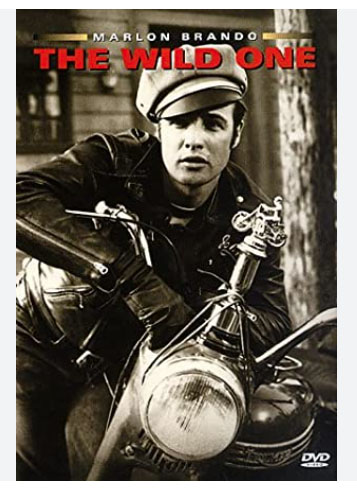
The Wild One
Synopsis
Johnny Strabler leads a rebellious motorcycle gang known as the Black Rebels into a small California town, causing widespread panic among local residents. When a rival gang led by the antagonistic Chino arrives, escalating tensions threaten to explode into violent chaos. Amidst the mounting hostility, Johnny forms a tentative, gentle romance with a local sheriff's daughter who sees past his tough exterior. The film explores youthful alienation, mob mentality, and the birth of 1950s counter-culture rebellion.
The Making of the Film
Director László Benedek helmed this groundbreaking outlaw motorcycle drama produced by Stanley Kramer, adapting Frank Rooney's short story "The Cyclists' Raid." The production was inspired by real-life newspaper accounts of motorcycle rallies in Hollister, California, which had shocked the American public in 1947. Filmmakers aimed to capture the burgeoning youth angst and anti-establishment frustration that defined post-World War II America. The project was designed as a gritty social drama rather than a conventional Hollywood western.
Critical Reception
Critics offered polarized reviews upon its 1953 release, with many mainstream reviewers condemning the film for allegedly inciting juvenile delinquency, violence, and youthful rebellion. However, progressive critics praised Marlon Brando's magnetic, iconic lead performance and the film's bold exploration of societal hypocrisy. Over subsequent decades, critical consensus shifted dramatically, universally hailing it as an undisputed classic of American cinema and a foundational pop-culture touchstone. It became a powerful cultural milestone for mid-century youth.
Audiences, particularly rebellious teenagers and young adults, embraced the movie with immense enthusiasm, turning it into a massive box office hit and a defining cultural phenomenon. Viewers were mesmerized by Marlon Brando's brooding leather jacket persona, motorcycle swagger, and iconic attitude. The famous exchange where Brando responds to what he is rebelling against with "Whadda you got?" became an immortal pop-culture catchphrase. Fans continue to celebrate its gritty retro aesthetic worldwide.
While traditional Academy awards bypassed the groundbreaking drama, it achieved immortal status across international film culture and retrospectives. Its influence on fashion, music, and counter-culture filmmaking is immeasurable. The film successfully secured its legacy as one of the most influential youth rebellion films ever made.
Behind-the-Scenes Stories
Director László Benedek wanted to create a realistic, psychological portrait of youthful alienation rather than a simple action thriller. He worked closely with Marlon Brando to shape Johnny Strabler into a complex, vulnerable anti-hero hiding behind a tough facade. The production team collaborated with motorcycle enthusiasts to ensure authentic club dynamics.
Shooting street confrontation sequences on studio backlots and California locations required careful stunt coordination and police cooperation. Managing large groups of background extras playing panicked townspeople demanded strict organization from the crew. Maintaining high tension throughout dramatic shooting schedules tested the cast.
During the tense bar brawl sequences, Marlon Brando performed his brooding physical acting with intense improvisational focus, captivating the crew between takes. The iconic motorcycle parked outside was Brando's own personal Triumph Thunderbird, adding personal authenticity to his character. These practical additions created cinema history.
Marlon Brando and Mary Murphy led the iconic cast, supported by Lee Marvin as rival gang leader Chino. The casting process focused on finding magnetic young actors who could project tough street credibility. The resulting ensemble delivered legendary screen chemistry.
Themes Explored
The film explores youthful alienation, mob mentality, societal fear of outsiders, anti-establishment rebellion, and the search for identity. It examines how communities often provoke the very violence and chaos they fear through prejudice. The narrative ultimately champions individual freedom over herd conformity.
Ending Explained
After surviving the townspeople's violent, unjust vigilante retaliation against him for a crime he did not commit, Johnny is cleared of wrongdoing as truth emerges. Before leaving the troubled town on his motorcycle, he stops by the diner to return a sentimental trophy to the sheriff's daughter, offering a rare, genuine smile that reveals his underlying humanity. He rides off alone into the open highway, continuing his endless nomadic wanderings. The ending offers a bittersweet, poetic conclusion to the rebel's journey.
Meaning of the Title
The title "The Wild One" directly refers to the rebellious, untamed nature of the protagonist Johnny Strabler and his motorcycle gang operating outside societal boundaries. It symbolizes youthful defiance and non-conformity. The concise title sets an iconic counter-culture tone.
Latest News
- The film continues to be celebrated worldwide through repertory screenings and pop-culture retrospectives as the birth of the biker movie genre.
Similar Films
Fans of classic rebellious dramas and biker cinema will enjoy Rebel Without a Cause (1955), The Wild Angels (1966), Easy Rider (1969), and The Blackboard Jungle (1955), all exploring youth angst.