

 Français
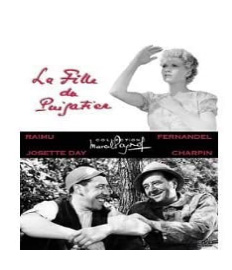
The Well-Digger's Daughter
Synopsis
The Well-Digger's Daughter is a charming, bittersweet French cinematic masterpiece written and directed by legendary filmmaker Marcel Pagnol. Set in rural Provence during the early years of World War II, the story follows Pascal Amoretti, a humble, hardworking well-digger who takes great pride in his work and his eldest daughter, Patricia. When Patricia falls deeply in love with Jacques Mazel, a handsome young fighter pilot from a wealthy local family, a quiet romance blossoms before Jacques is shot down and reported missing in action. Soon after, Patricia discovers she is pregnant with Jacques's child, sparking a profound class conflict with the snobbish Mazel family. The film celebrates paternal love, rural dignity, and human resilience.
The Making of the Film
Marcel Pagnol conceived and directed the film as World War II broke out in France, using the tranquil Provencal countryside and warm human drama to offer audiences comfort amidst national crisis. Pagnol wrote the original story and screenplay specifically to showcase the magnificent acting talents of Raimu, the legendary French stage and screen star. The production faced severe material shortages and wartime restrictions in southern France, requiring great resourcefulness from the crew. Pagnol's distinct ear for dialogue and regional warmth infused every frame with authentic Provençal culture.
Critical Reception
Professional critics greeted the film upon its wartime release with immense critical acclaim, praising its rich character development, poetic dialogue, and Raimu's transcendent lead performance. Reviewers highlighted Marcel Pagnol's masterclass in balancing gentle agrarian comedy with profound emotional drama. Critics noted that the film captured the dignity and resilience of ordinary rural people during turbulent historical times. It became an instant artistic triumph and a beloved classic of French cinema.
Audiences flocked to theaters across France during a dark period of occupation, finding profound solace, laughter, and emotional warmth in Pagnol's pastoral storytelling. Viewers were deeply moved by the tender father-daughter bond and the satisfying resolution of class prejudices. Word-of-mouth established its status as an immortal masterpiece of world cinema. Its cultural footprint in French film heritage remains immense.
The film earned numerous historical accolades and retrospectives worldwide, cementing Marcel Pagnol and Raimu's legendary status in cinematic history.
Behind-the-Scenes Stories
Director Marcel Pagnol drew inspiration from traditional Provençal folklore, local rural characters, and his own childhood memories of southern France. Filming on location in rural Provence presented unique logistical hurdles due to wartime rationing and equipment scarcity. During the filming of the emotional well-digging scenes, Raimu brought authentic physical grounding and folksy humor to his performance. Before principal photography began, Pagnol carefully rehearsed the theatrical cast to capture natural conversational rhythms.
Themes Explored
Paternity, Class Conflict, Rural Life, Honor, Love, Forgiveness
Ending Explained
The heartwarming and reconciliatory conclusion shows the wealthy grandparents embracing their illegitimate grandchild, uniting the families through shared love and forgiveness.
Meaning of the Title
The title honors the honest working-class profession of the loving father, anchoring the narrative's moral center in simple dignity.
Jean de Florette, Manon des Sources, The Baker's Wife, Marcel Pagnol classics