

 Français
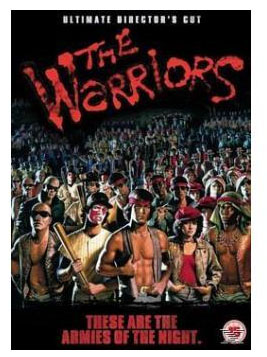
The Warriors
Synopsis
Set in a stylized, crime-ridden New York City, a charismatic gang leader named Cyrus calls for a massive midnight summit of all city gangs to unite against the police. During his speech, Cyrus is assassinated by a rival leader, who frames the Coney Island gang known as "The Warriors" for the murder. As hundreds of vengeful gang members hunt them across the city subways and streets, the nine-man crew must fight their way back home. Along the way, they face relentless ambushes, police pursuits, and internal tension.
The Making of the Film
Director Walter Hill adapted the gritty action thriller from Sol Yurick's acclaimed novel, drawing loose historical inspiration from Xenophon's ancient Greek epic Anabasis. The production was designed to create a hyper-stylized, comic-book-inspired vision of nocturnal New York City gripped by gang warfare. Filmmakers utilized real New York subway stations and backlot sets to build the atmospheric urban odyssey. The project was built to be a fast-paced, stylish genre classic.
Critical Reception
Critics offered polarized reviews upon its 1979 release, with some condemning the film for allegedly inciting real-world gang violence and vandalism in theaters. However, many critics praised Walter Hill's visionary direction, striking visual style, rhythmic editing, and tense action choreography. Over subsequent decades, critical consensus shifted dramatically, universally hailing it as an undisputed masterpiece of urban action cinema and a foundational pop-culture touchstone.
Audiences embraced the movie with immense enthusiasm, turning it into a massive box office hit and an enduring midnight-movie cult classic. Viewers were mesmerized by the distinct visual identities of the various gangs, the pounding electronic score, and the relentless survival race. The iconic chant "Warriors, come out to play!" became an immortal pop-culture catchphrase. Fans continue to celebrate its gritty retro aesthetic worldwide.
While traditional Academy awards bypassed the genre feature, it achieved immortal status across international film culture and retrospectives. Its influence on video games, fashion, and action filmmaking is immeasurable. The film successfully secured its legacy as one of the greatest urban chase films ever made.
Behind-the-Scenes Stories
Director Walter Hill wanted to create a modern action myth inspired by ancient Greek literature, stripping away complex dialogue in favor of pure visual kinetic momentum. He designed each gang with distinct, theatrical costumes ranging from baseball uniforms to mime makeup to create instant visual recognition. The production team shot almost entirely at night across dangerous New York City locations.
Filming dangerous subway chases and street brawls in rough neighborhoods required extensive stunt coordination and police security details. Managing large groups of rowdy background extras playing rival gang members demanded strict organization from the crew. Maintaining high physical energy throughout grueling night shoots tested the young cast.
During the famous bathroom fight sequence against the Panzers, the actors performed their own grueling physical combat stunts amidst real water and concrete tiles. The iconic taunt delivered by David Patrick Kelly smashing bottles together was entirely improvised on set. These practical additions created cinema history.
Michael Beck, James Remar, and David Patrick Kelly led the iconic cast, supported by Thomas Waites and Dorsey Wright. The casting process focused on finding rugged, athletic young actors who could project tough street credibility. The resulting ensemble delivered legendary screen chemistry.
Themes Explored
The film explores urban tribalism, survival against impossible odds, brotherhood, loyalty, and nocturnal isolation. It examines how distinct social groups carve out territory and identity in hostile concrete jungles. The narrative ultimately champions unity and resilience.
Ending Explained
The Warriors finally survive the grueling night-long gauntlet, arriving back at their home turf on the Coney Island beach at sunrise. They are confronted by the real murderers from the Rogues gang, but the Warriors defeat them in a final showdown before police arrive to arrest the remaining rivals. Walking away across the sand, the exhausted survivors achieve hard-won redemption and peace. The ending offers a poetic, triumphant conclusion to the urban odyssey.
Meaning of the Title
The title "The Warriors" directly names the underdog Coney Island street gang whose harrowing cross-city trek drives the entire narrative. It symbolizes fighting spirit, loyalty, and endurance against hostile forces. The concise title sets an epic retro-action tone.
Original Soundtrack
Composed by Barry De Vorzon, the musical score is an absolute masterpiece featuring pulsing synthesizers, driving rock beats, and atmospheric electric guitar riffs. The iconic theme music sets a moody, propulsive tone that perfectly captures the nocturnal grit of 1970s New York City.
Latest News
- The film continues to be celebrated worldwide through repertory screenings, video game adaptations, and pop-culture retrospectives.
Similar Films
Fans of urban action and gritty chase films will enjoy Escape from New York (1981), The French Connection (1971), Assault on Precinct 13 (1976), and Streets of Fire (1984), all exploring nocturnal danger.