

 Français
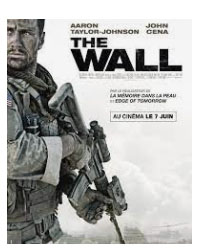
The Wall
Synopsis
This tense, claustrophobic psychological sniper war thriller follows Staff Sergeant Shane Matthews and Sergeant Allen Isaac, two elite American military snipers deployed on a remote reconnaissance mission in the sun-baked, desolate Iraqi desert to investigate a suspicious pipeline construction site. When Matthews walks out into the open to inspect the site and is suddenly shot down by an unseen, legendary Iraqi insurgent sniper nicknamed "Juba", Isaac rushes to his rescue only to take a bullet to the knee and find himself pinned down behind a crumbling, dilapidated brick wall that serves as his only flimsy cover. With his radio destroyed and the enemy sniper taunting him over the radio frequency in fluent English, Isaac must use his wits, basic survival gear, and sheer willpower to survive the sweltering desert heat and outsmart his invisible tormentor. It is a brilliant, minimalist masterclass in suspense.
The Making of the Film
The project originated from spec script writer Dwain Worrell's gripping, high-concept screenplay that landed on Hollywood's prestigious Black List of best unproduced scripts, catching the attention of Amazon Studios and director Doug Liman. Liman sought to strip away the massive budgets and explosive destruction typical of modern war movies, crafting instead an intensely intimate, minimalist cat-and-mouse psychological duel between two snipers separated by a crumbling brick wall. Inspiration was drawn from classic western showdowns, real-life sniper tactics, and psychological torture chamber dramas. The creative team aimed to produce a taut indie thriller.
Critical Reception
Critics offered generally favorable reviews, praising Doug Liman's claustrophobic direction, Aaron Taylor-Johnson and John Cena's committed lead performances, and the film's relentless psychological tension. Reviewers noted that Liman successfully turned a stationary, single-location premise into an absolute white-knuckle thriller driven by smart tactical dialogue, scorching desert heat, and radio psychological warfare. Taylor-Johnson's vulnerable portrayal of the wounded soldier received universal applause. Despite a modest theatrical release, it earned strong respect among thriller fans.
Audience reception was warm among action and thriller enthusiasts, driving steady streaming viewership and emotional appreciation across digital rental platforms. Viewers on public platforms praised the tense radio mind games, realistic sniper ballistics, and the shocking, unpredictable ending. Fans of minimalist survival thrillers celebrated its focused, efficient storytelling. Word-of-mouth sustained strong home video popularity.
Awards season brought no major mainstream nominations, though the film received occasional recognition at independent thriller showcases for its sound design and screenplay. Critics' associations acknowledged the stark desert cinematography. While it did not alter the landscape of cinema, it maintained a solid fan base among survival fans.
Behind-the-Scenes Stories
The director drew visual inspiration from classic desert survival films, documentary war photography, and single-location stage plays to establish a claustrophobic aesthetic. Every brick of the ruined Iraqi school wall was constructed with meticulous physical detail to reflect years of war damage and decay. The production team collaborated with military sniper advisors to ensure that ballistics, radio frequencies, and wound treatment procedures looked completely authentic. These artistic choices created an immersive world.
Production presented intense logistical and technical hurdles, requiring lead actor Aaron Taylor-Johnson to spend the vast majority of the shoot isolated behind a physical wall set in the scorching deserts of California while communicating with his unseen co-star via hidden earpieces. John Cena spent days lying motionless out in the desert sun portraying the wounded soldier. Furthermore, maintaining strict narrative tension across a stationary location demanded obsessive editorial focus from Doug Liman.
During the filming of the tense radio monologue sequences, Aaron Taylor-Johnson executed his emotional panic reactions amidst desert dust with total professional commitment. To maintain authentic tension, Liman utilized long, unbroken master shots. The crew utilized harsh desert sunlight. This rigorous dedication resulted in standout thriller moments.
Casting was anchored by securing acclaimed actor Aaron Taylor-Johnson as the vulnerable sergeant, alongside WWE superstar-turned-actor John Cena in a dramatic supporting role as the pinned-down sniper. The voice of the invisible enemy sniper Juba was chillingly performed by Laith Nakli. This targeted casting strategy drove initial home video visibility.
Themes Explored
The narrative deeply explores themes of psychological warfare, isolation, and survival against invisible enemies in hostile foreign deserts. It examines military snipers, patience, and the mental breaking point of soldiers under extreme duress. Additionally, it highlights tactical ingenuity, trauma, and the brutal reality of asymmetric warfare. Ultimately, the film reflects on courage, endurance, and the grim chess game of life and death.
Ending Explained
Isaac finally manages to trick the enemy sniper into revealing his exact geographical position through a clever satellite radio deception, calling in an airstrike that destroys the insurgent tower, just as an American rescue helicopter arrives to evacuate him, only for the chopper to be ambushed and shot down by Juba's reinforcements at the very last second. In the devastating final shot of the film, a brand-new enemy voice crackles over the radio asking if Isaac is ready to talk, revealing he is still trapped. The chilling conclusion underscores endless tactical nightmare.
Meaning of the Title
The title directly references the crumbling physical brick wall that serves as the protagonist's sole barrier against death ("The Wall").
Similar Films
Films sharing similar single-location survival, sniper duels, and psychological thriller themes include Phone Booth (2002), 127 Hours (2010), and Buried (2010).