

 Français
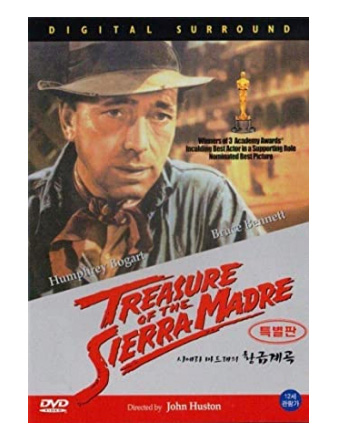
The Treasure of the Sierra Madre
Synopsis
Set during the 1920s in Mexico, Fred C. Dobbs and Bob Curtin are two desperate, penniless American drifters living in Tampico who are willing to do any hard labor for survival. Meeting an experienced, wise old prospector named Howard, the three men pool their meager savings and venture deep into the dangerous, lawless mountains of the Sierra Madre to prospect for gold. Against all odds, they strike a massive gold vein, unearthing a fortune in precious dust. However, as greed, paranoia, and distrust slowly poison their minds, the men turn against each other in a deadly struggle for survival.
The Making of the Film
Director and screenwriter John Huston adapted the cynical masterpiece from B. Traven classic 1927 adventure novel of the same name. Huston fought Warner Bros. studio executives for years to shoot on location in Mexico rather than safe Hollywood soundstages. The production aimed to create an unsparing psychological study of human greed.
Critical Reception
Critics universally acclaimed The Treasure of the Sierra Madre upon its release, praising John Huston visionary direction, brilliant screenplay, and powerhouse lead performances by Humphrey Bogart and Walter Huston. Reviewers lauded the film for its uncompromising exploration of greed and paranoia. It is universally celebrated as an untouchable masterpiece of cinema.
Public reception was modest during its initial theatrical run, but time transformed the adventure drama into an undisputed classic of American film history. Audiences were captivated by Bogart descent into manic paranoia. Its cultural footprint is monumental.
The film won three Academy Awards, including Best Director and Best Adapted Screenplay for John Huston, and Best Supporting Actor for Walter Huston. Humphrey Bogart delivered an iconic performance. Its critical legacy stands tall.
Behind-the-Scenes Stories
Director John Huston drew inspiration from B. Traven mysterious adventure novel, real Mexican prospecting folklore, and classic morality tales. He insisted on shooting on location in the scorching, rugged mountains of Tampico and Durango, Mexico, enduring extreme heat and harsh conditions. His direction pushed Humphrey Bogart to play an unglamorous, sweaty, paranoid villain.
Production faced severe logistical challenges, sickness among crew members, and studio executives who initially doubted whether a cynical film about greed could succeed commercially. Walter Huston, the directors father, performed a memorable jig when striking gold. Humphrey Bogart brought intense nervous energy to Dobbs.
A memorable sequence involves Dobbs sitting alone by a campfire in the pitch-dark mountains, laughing maniacally at shadows out of pure paranoid greed before pulling his revolver. The scene is a masterclass in psychological unraveling. Bogart performance anchored the tragedy.
The casting process brought together legendary talent. Humphrey Bogart was cast as Fred C. Dobbs, breaking away from heroic archetypes to play a pathetic, greedy drifter. Walter Huston was cast as the wise old prospector Howard, delivering an Oscar-winning performance.
Themes Explored
The film explores human greed, paranoia, trust, the corrupting nature of wealth, and moral decay. It highlights how absolute riches destroy human brotherhood and sanity. Wealth poisons the soul.
NULL
Meaning of the Title
The title refers directly to the treacherous mountain range where the prospectors unearth their gold fortune and meet their tragic fate. It highlights the geographic heart of the greed-driven plot.
NULL
NULL
Similar Films
Other similar films include The Wages of Fear, A Simple Plan, and The Greed.