

 Français
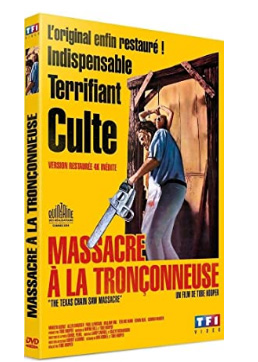
The Texas Chain Saw Massacre
Synopsis
The Texas Chain Saw Massacre is a legendary, terrifying low-budget independent horror masterpiece directed by Tobe Hooper that defined modern slasher cinema. The story follows a group of five young friends driving through rural Texas to visit an old family homestead when they pick up a bizarre hitchhiker who mutilates himself and attacks them. Stranded in the isolated countryside, the friends seek help at a nearby dilapidated farmhouse, unknowingly stumbling into the territory of a deranged family of cannibalistic slaughterhouse workers. Led by the hulking, mask-wearing maniac known as Leatherface, the clan begins hunting the teenagers one by one with meat hooks and buzzing chainsaws. The film delivers relentless, sweat-soaked dread.
The Making of the Film
Director Tobe Hooper and co-writer Kim Henkel conceived the story while dining in a crowded hardware store, inspired partly by real-life Wisconsin murderer Ed Gein and local Texas news reports. Operating on a shoestring indie budget of less than three hundred thousand dollars, the cast and crew endured brutal, sweltering Texas heat during grueling eighteen-hour shooting days. Hooper utilized documentary-style 16mm cinematography to create an unsettling, hyper-realistic aesthetic that tricked many early viewers into thinking it was a true story. Gunnar Hansen was cast as the iconic, silent chainsaw-wielding killer Leatherface.
Critical Reception
Professional critics upon initial release offered deeply polarized reviews, with many condemning the film as a vile, sadistic snuff film and banning it in several countries. Over subsequent decades, critical perspective shifted into universal adoration, with film historians hailing it as one of the greatest and most influential horror films ever made. Reviewers praised Tobe Hooper's masterful creation of suffocating tension, documentary realism, and psychological dread with minimal blood on screen. It is now enshrined in the Museum of Modern Art permanent collection.
Audiences experienced sheer terror and unprecedented box office success, turning the low-budget indie into an astronomical cultural phenomenon worldwide. Viewers were traumatized and hypnotized by the relentless screaming, buzzing chainsaws, and the horrifying family dinner sequence. Word-of-mouth recommendations cemented its status as an immortal masterpiece of horror history. Its influence on modern scary movies is absolute.
The film earned legendary status in global cinema, recognized by critics and film societies worldwide as a pinnacle of independent horror achievement.
Behind-the-Scenes Stories
Director Tobe Hooper drew inspiration from real-life true crime, news reports, and the oppressive heat of rural Texas to construct the raw atmospheric terror. Coordinating the high-risk chainsaw stunts in cramped farmhouse rooms required extreme physical caution from Gunnar Hansen and the young cast. During the filming of the famous grueling dinner table sequence, actors worked in sweltering heat surrounded by rotting food, creating genuine physical misery and tension. Before Gunnar Hansen secured the role, several local actors were considered for Leatherface.
Themes Explored
Cannibalism, Isolation, Rural Horror, Survival, Fear, Industrial Decline
Ending Explained
The iconic, frantic finale shows Sally escaping in the back of a pickup truck while a blood-soaked Leatherface dances in a manic frenzy of rage on the empty highway.
Meaning of the Title
The title is a blunt, shocking description of the primary weapon and horrific setting that defines the legendary slasher nightmare.
The Hills Have Eyes, Halloween, The Last House on the Left, Wrong Turn